Recognizing Our First-Generation Scholars on the Hilltop
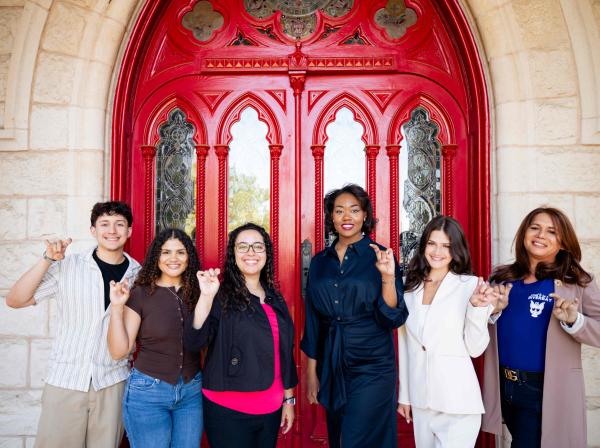
St. Edward’s University holds a proud history of championing first-generation students and celebrating their remarkable achievements on the Hilltop.
With more than half of our Hilltoppers, including many of our dedicated faculty and staff, being the first in their families to attend college, this identity is woven into the very heart of our community.
Each November, during First-Generation Scholars Week, we come together to honor the incredible resilience, determination and success of our first-gen scholars.
Meet some of the inspiring members of our community whose courage to blaze new trails inspires us all as they live out our Holy Cross mission.
First-Generation Student Voices on the Hilltop
Rogelio Guardiola III ’27
Political Science Major
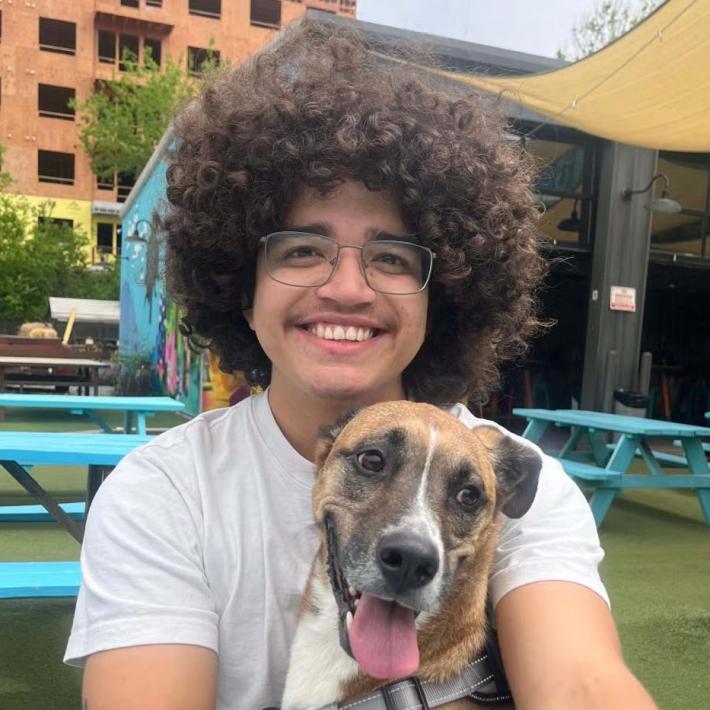
Hailing from Eagle Pass, Texas, Rogelio Guardiola III ’27 has a dream of becoming a leader in politics. Behind that dream is his mother, his biggest champion, who constantly encourages him to follow his passions.
“Someone’s got to represent us down here; go do it up there,” Guardiola’s mother said.
For Guardiola, the path carries a driven purpose to succeed while honoring those back home who sacrificed much to give him the opportunity to pursue higher education. On the Hilltop, he found a community where a deep sense of belonging took root when he attended his first Homecoming. Nights spent at the Red Doors looking out over the city skyline serve as a little reminder of how far he has come on his journey.
True achievement, in his eyes, is measured by the positive impact he can make in the lives of people around him.
“Even if it's a simple wave in passing or helping them with something personal,” Guardiola said. “It fills me with joy to know someone else doesn't have to struggle alone.”
It fills me with joy to know someone else doesn’t have to struggle alone.
Joe Ibarra ’30
Psychology Major
Joe Ibarra ’30 of San Benito, Texas chose St. Edward’s University after earning a student-athlete scholarship and receiving a scholarship from the Hector and Gloria López Foundation.
From his first dinner with his teammates, Ibarra knew he belonged on the Hilltop. Navigating a college life as a first-generation student can bring unique challenges, but Ibarra quickly found a strong support network with faculty and staff mentors like CAMP Director Sonia Briseño, Success Coach Gilbert Contreras and his Cross Country/Track and Field Head Coach Randy Rathke.
During Anchors, walking through the iconic Red Doors during the Legacy Walk gave Ibarra a powerful vision of where he’s headed. As he works toward graduating over the next five years, he is redefining success through his commitment to giving his absolute all every single day.
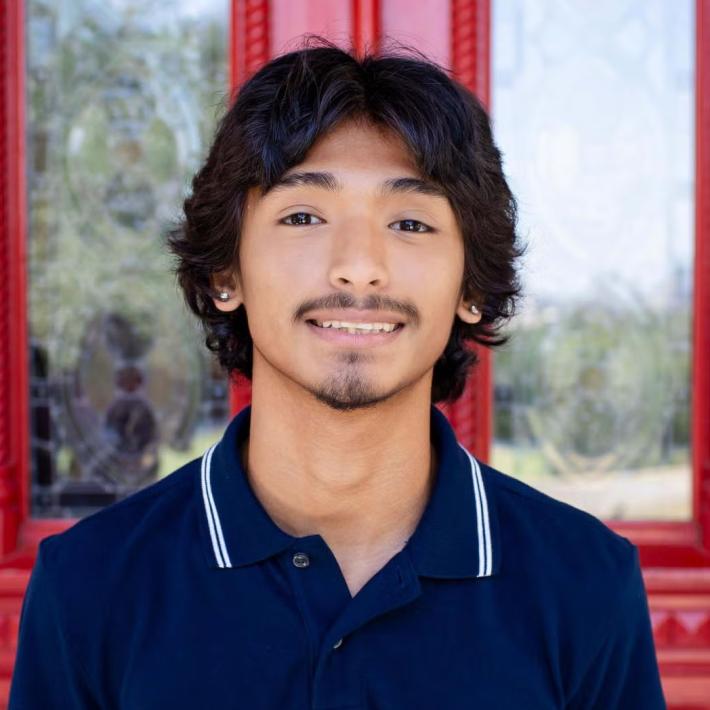
Joe Ibarra ’30
Sofia Curry ’28
Social Work
From the moment Sofia Curry ’28 first stepped onto campus, she felt welcomed and valued. Attending a First-Gen Friday event, meeting new people and making genuine friends turned the Hilltop into a place where she belonged.
“I knew from the beginning that I would find a place here,” said Curry.
After her first semester on the Hilltop, Curry began to truly believe college was possible for her. Adjusting to a new environment had been difficult, and she often felt like she was navigating the process on her own. Yet she kept working hard, pushing herself to keep going. When final grades came in and showed she had passed all her classes beyond her expectations, Curry realized she had what it takes to thrive in college.
Even as she embraced campus traditions like attending Hillfest with her roommates or relaxing on the lawn in front of Main Building, Curry continued to face challenges unique to first-generation students.
“Being a first-generation student is like playing a game for the first time with a group where everyone else already knows the rules, but you're left to figure them out on your own,” Curry said. “It can often feel very confusing, as if everyone around you has already passed you by and you're constantly trying to catch up.”
She has found a strong support system in staff members across campus, including Associate Director for Student Achievement and Retention Roel Martinez, who leads First-Gen Initiatives, and Susannah Michael, office specialist for Student Disability Services. Supported by her campus community, Curry plans to earn her master’s degree within the next five years, work as a licensed social worker in Austin and live with her cats.
I knew from the beginning that I would find a place here.
First-Gen Faculty Mentors and Educators
Adam McCormick, PhD
Professor of Social Work
MSSW, University of Texas at Austin, ’06; PhD, University of Texas at Arlington, ’09
“College is meant to be experienced in community and connection,” said Professor of Social Work Adam McCormick, PhD.
As a first-generation scholar himself, a background he shares with more than half of the student body, McCormick understands the impact of strong mentorship firsthand. Early in his academic journey, his former professor, Jim Beck, helped him realize he belonged on campus and that his lived experiences had already given him everything he needed to succeed.
“One of the great challenges of being first-generation is learning that being seen, known, and understood for who you truly are does not diminish your place in higher education,” McCormick said. “In many ways, it is how you begin to recognize that you belonged there all along.”
McCormick leaned on his family throughout his college career. As he watched his mother work as the only woman laborer at a power plant, earning his degree became a way to honor the doors her sacrifices opened for him. Today as a professor, his teaching centers on helping students recognize the strengths they already possess. McCormick sees firsthand that while first-generation students might not arrive with a college roadmap, they bring rich experiences built on hard work, resilience, resourcefulness and sacrifice.
Earlier in his career, McCormick measured success by his own achievements. Today he defines it by what becomes possible for others when their paths cross.
“If a student leaves my classroom seeing something in themselves they hadn’t seen before, believing more deeply that they belong, or feeling more prepared to go into the world and make it a little more just and humane, that feels like success to me,” McCormick said. “At this point in my life, I care much less about what I can accumulate and much more about what I can contribute.”
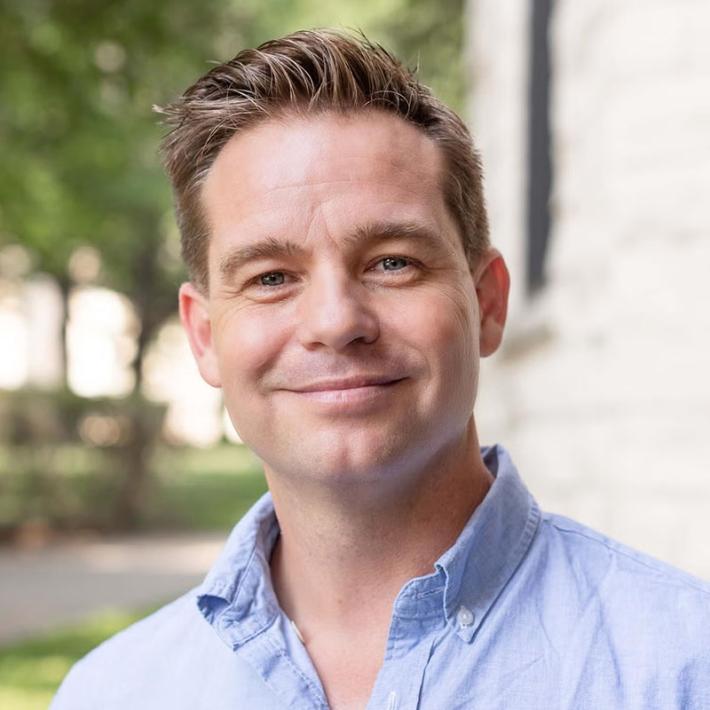
If a student leaves my classroom seeing something in themselves they hadn’t seen before, believing more deeply that they belong, or feeling more prepared to go into the world and make it a little more just and humane, that feels like success to me.
Mariana Ocampo
Chemistry Lab Manager and Adjunct Professor of Chemistry
B.S., Chemistry, University of Texas-Pan American, ’10; M.S. Polymer Chemistry, University of Texas-Pan American, ’15; PhD
Materials Science, Engineering and Commercialization, Texas State University ’22
Mariana Ocampo, Chemistry Lab Manager and Adjunct Professor of Chemistry, spent her entire high school career working toward attending college. Her mother enrolled her in GEAR UP, the Gaining Early Awareness and Readiness for Undergraduate Program, which allowed her to complete dual-enrollment courses. By her senior year of high school, she earned a four-year scholarship to the University of Texas–Pan American, now UTRGV.
As a professor, Ocampo supports first-generation students by remaining warm, approachable and nonjudgmental while still maintaining high expectations. Having walked that same path, she understands how overwhelming it can feel to navigate college life for the first time.
“You can be surrounded by people and still feel as though you are finding your way alone,” said Ocampo. “Building a support system requires vulnerability: you have to admit when you are lost, ask questions, and seek out mentors, often while feeling pressure to prove that you belong.”
Today, Ocampo measures her success not by salary or title, but by watching her students and teaching assistants grow more skilled and confident, knowing she helped build the environment that made that growth possible.
She also wants students not to confuse failure with unworthiness or a lack of ability.
“Failure is not proof that you are incapable; it is evidence that you attempted something difficult, and it can teach you more than easy success ever will,” said Ocampo.
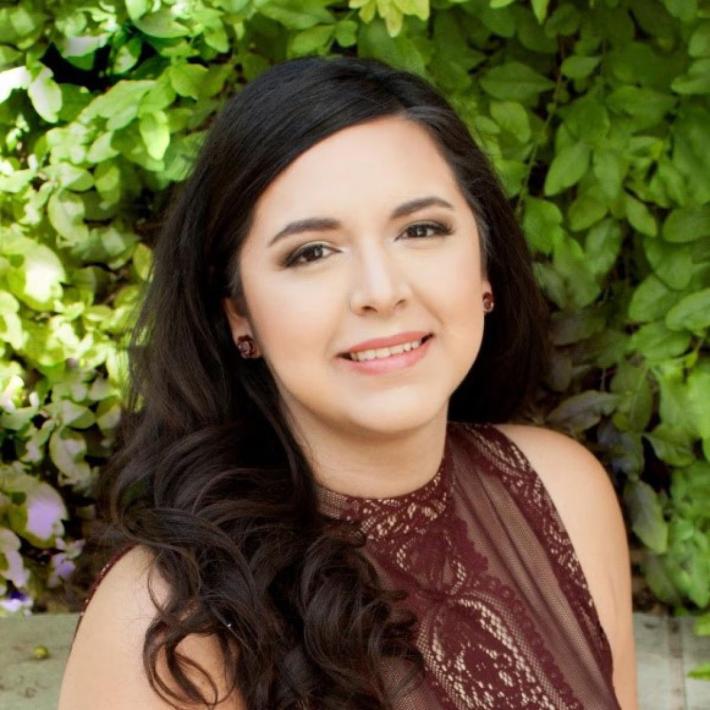
Building a support system requires vulnerability: you have to admit when you are lost, ask questions, and seek out mentors, often while feeling pressure to prove that you belong.
Bilal Shebaro
Professor and Department Chair of Computer Science
PhD, Computer Science, University of New Mexico, ’12
When Bilal Shebaro, Professor and Department Chair of Computer Science, began excelling in school and fueling a curiosity for STEM, he started seeing college as a real possibility. Though his parents had never attended college themselves, they remained his strongest supporters throughout his academic journey.
Along the way, Shebaro formed close mentorships with his professors, who were instrumental in his growth.
Today, Shebaro pays that support forward. He recognizes that some students arrive with a clear academic plan while others are still searching for guidance, and he makes it a priority to bridge that gap for anyone who needs it.
“One challenge is not always knowing what questions to ask or where to find the right guidance,” he said. “College can also be especially stressful for first-generation students, who may carry significant family expectations and feel that failing is simply not an option... Trust your potential, stay curious and keep moving forward even when the path feels unfamiliar.”
Shebaro believes true success comes down to personal growth, curiosity and using what he’s learned to create opportunities for others. He also sees success when his students recognize their own potential, overcome challenges and achieve new goals.
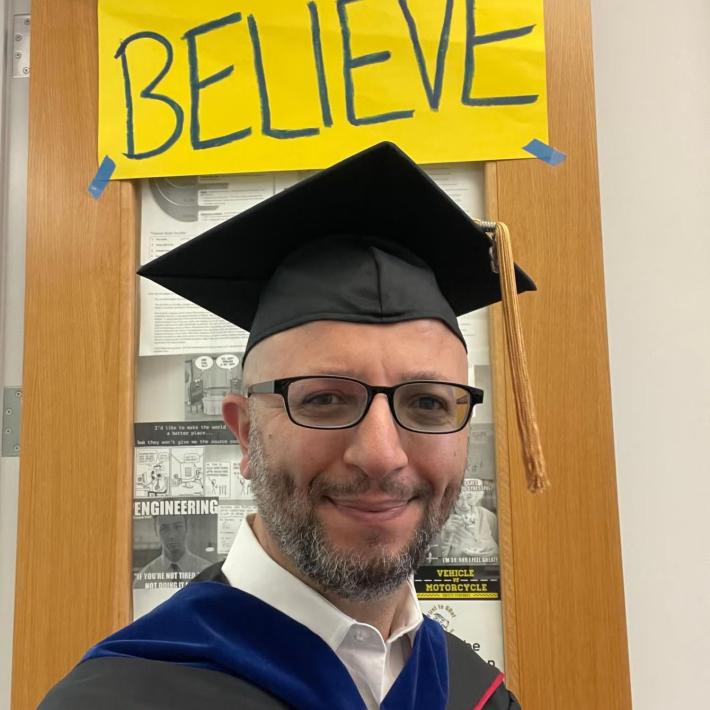
Trust your potential, stay curious and keep moving forward even when the path feels unfamiliar.
David Ledesma
Assistant Professor in the Biological Sciences Department
PhD, Ecology and Evolutionary Biology, University of Texas at Austin, ’24
David Ledesma was not the first in his family to attend college, but he joins his grandfather and mother as one of the few to attend a university. His great-grandparents never finished middle school, yet they encouraged the next generation to earn a college degree.
“I talked to my grandpa often about his college experience and the struggles he faced as a first-gen college student and as a Mexican-American at that time,” said Ledesma. “It was hearing these stories of hard work and resilience from my grandpa that made me believe that college was possible for me.”
His parents and grandparents were some of his greatest supporters throughout his education, even when they were unfamiliar with his field of study. Later on, professors at the University of Texas at Austin provided technical guidance and career advice that helped pave the path to where he is today.
Ledesma wants current students to know that hard work always pays off, even if the reward comes in unexpected ways. Today, he measures success by the positive impact he can make on the lives of others.
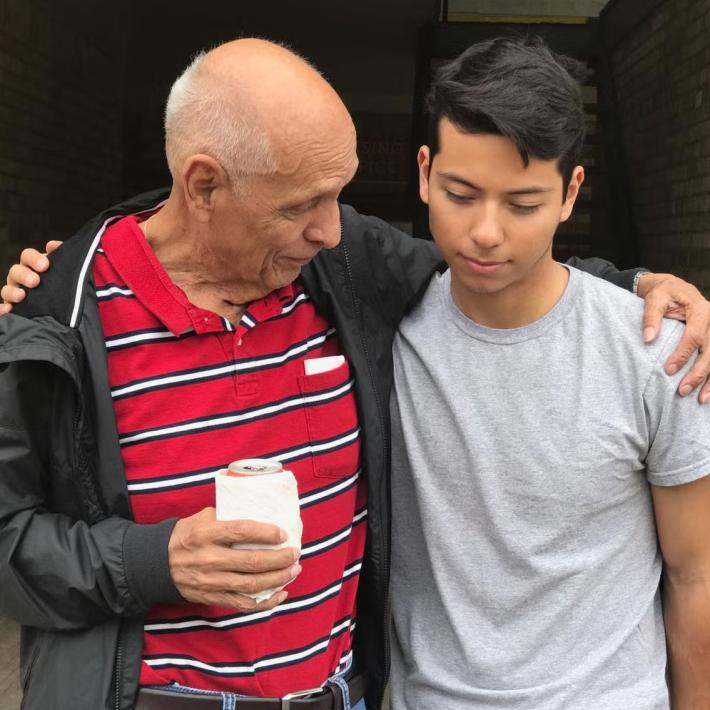
It was hearing these stories of hard work and resilience from my grandpa that made me believe that college was possible for me.
Jessenia García
Associate Professor of Counseling
MS, Clinical Mental Health Counseling, University of Texas at San Antonio ’16; PhD, Counselor Education and Supervision, University of Texas at San Antonio, ’20
Jessenia García always knew she would go to college, a goal both she and her family deeply valued. Though her path to higher education was never questioned, finding a sense of belonging proved challenging, especially at a predominantly white university. Joining a Latina sorority ultimately helped her build community alongside women who shared similar backgrounds and ambitions.
“As a first-generation daughter of immigrants and a counselor, I wanted to work somewhere I could bring my whole self to my role as an educator while helping prepare counselors who recognize the importance of culture, community, and advocacy,” said García, who now serves as an Associate Professor of Counseling in the Master of Counseling program. “The MAC program at SEU lets me combine these values in a deeply purposeful way.”
Today, García strives to be the professor and mentor she needed when she was a student. She focuses on creating a classroom where students feel comfortable asking questions, while offering full transparency around academic expectations and navigating university systems without a family roadmap. She often reminds students that while being first-gen presents unique challenges, it also builds distinct strengths and resilience.
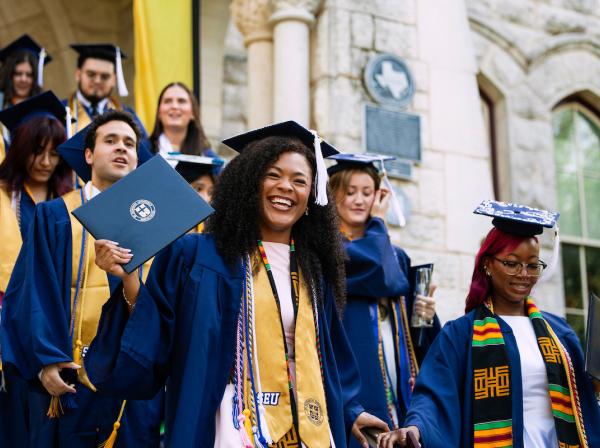
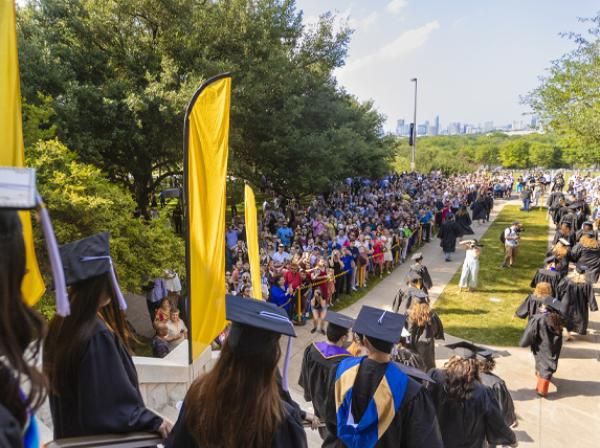
On the Hilltop, García’s favorite tradition is commencement.
“There is something so special about watching students cross the stage and seeing their families' pride, knowing how much sacrifice and perseverance brought them to that moment,” García said. “As a first-gen college graduate, I know a degree often represents more than an individual accomplishment. It also celebrates the families and communities who helped make that journey possible.”
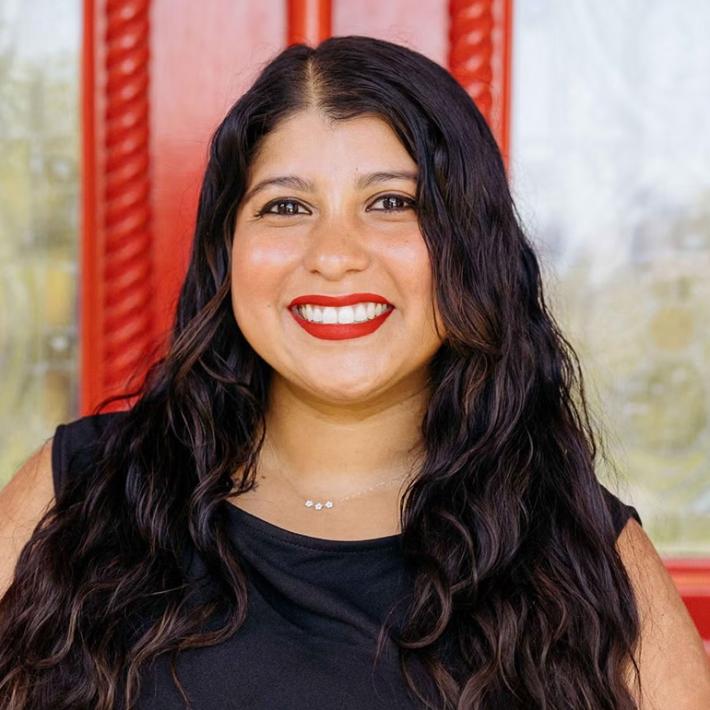
There is something so special about watching students cross the stage and seeing their families’ pride, knowing how much sacrifice and perseverance brought them to that moment.
Dedicated Staff Supporting First-Gen Student Success
Alethia Ostfeld
Director of Student Disability Services
B.B.A., Eastern Michigan University ’06; M.A. Education, Concordia University, ’14
Alethia Ostfeld worked as a filing clerk at the University of Michigan, surrounded by high school friends who were attending classes. Seeing them every day while working in an academic environment quickly put college at the top of her mind.
One day, a group of women she worked with turned to her and asked, “Why not you? You’ve got this,” marking the start of her journey into higher education. Like many first-generation students, it took encouraging voices around her to help her see that she belonged in the classroom, too.
“Never talk yourself out of belonging in rooms you haven't entered yet,” Ostfeld said. “It’s so easy to look at other students and assume they have it all figured out, but your journey, your resilience, and your lived experience bring incredible value to the table.”
Today, Ostfeld is the Director of Student Disability Services at St. Edward’s. After 18 years at Austin ISD as a teacher, behavior specialist, curriculum instructional coordinator and administrative supervisor, Ostfeld wanted to see the long-term impact of her work for students with disabilities.
As a first-generation scholar, Ostfeld also understands the unique barriers many of her students encounter.
“A challenge I wish more people understood about being first-generation is the constant, complex juggling act between academics, work, and family,” Ostfeld said. “Being first-gen means your family still relies on you, yet they often don't fully grasp the intense time, effort, and focus required to stay on top of college expectations—sometimes treating your schedule as if school isn't a full-time demand.”
On the Hilltop, her favorite tradition is Hillfest, designed with accessibility and true inclusion at its core to create a welcoming, fun environment for everyone.
Ostfeld credits the students and families she has worked with throughout her career as her constant inspiration and biggest cheerleaders. She defines success by advocating for accessibility and inclusion every day on and beyond St. Edward’s campus.
“It's knowing that the work I do helps change systems, shift mindsets, and ensure no student ever feels like they have to navigate their journey alone,” Ostfeld said. “When students realize they belong, know their worth, and step confidently into their potential, that is true success.”
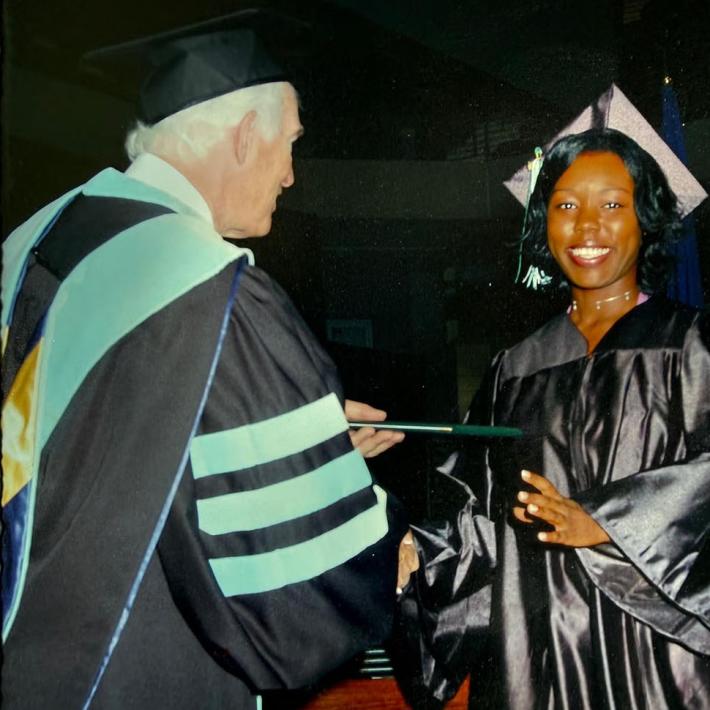
Never talk yourself out of belonging in rooms you haven’t entered yet.
Yancy Flores
Assistant Sports Information Director and Fan Engagement Coordinator
B.S., Strategic Communications, Howard Payne University, ’19; MBA, Sports Management, Texas Woman’s University, ’22
As an only child and grandchild, Yancy Flores grew up with an expectation to attend college. Supported by her mother, grandmother and aunt, Flores earned both her Bachelor of Science and her Master of Business Administration.
Today, she supports first-generation students at St. Edward’s as the Assistant Sports Information Director by creating accessible, hands-on opportunities in sports production, sports media and event management. Through these experiences, students gain real-world practice leading live events, building technical and logistical skills and stepping into mentorship roles.
As the first in her family to attend college, Flores understands firsthand the unique obstacles first-generation students encounter.
“Every new achievement comes with unknown territory. First-generation students often celebrate a milestone and then face the next stage without a roadmap,” Flores said.
Flores continues to celebrate her own milestones alongside the success of those around her. Today, she measures success by the people she is able to lift up and the ways she can make life a little easier for others.
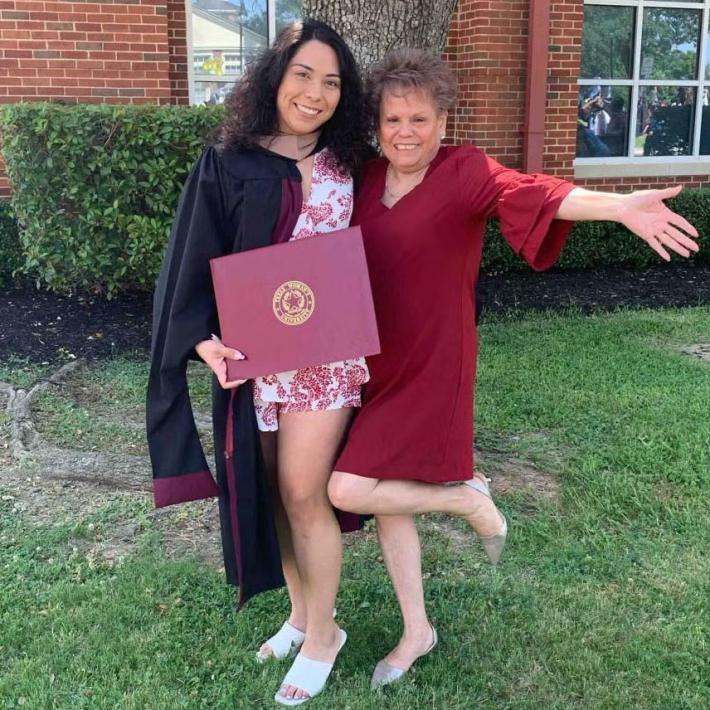
Every new achievement comes with unknown territory. First-generation students often celebrate a milestone and then face the next stage without a roadmap.
Annie Hinojosa
Assistant Director for Student Financial Aid
B.S., Education, University of Texas at Austin, ’02; M.A. Ed, New Mexico State University, ’05; M.B.A., Davenport University, ’11
Annie Hinojosa has always loved learning. Throughout her early education, her parents and teachers constantly encouraged her academic pursuits. Growing up in a small, supportive town, her achievements often appeared in the local newspaper, alongside classmates who were also striving to become the first in their families to attend college.
Though she has crossed multiple graduation stages to earn her degrees, Hinojosa emphasizes that support for first-generation scholars shouldn’t end once they receive their diplomas.
“We never tire of encouragement. Being the first in the family to go to college is challenging, but staying the course for four years to actually graduate feels like an infinite marathon,” said Hinojosa.
Hinojosa has served first-generation students since joining the Hilltop community in 2013. As the Assistant Director for Student Financial Aid, she supports first-gen students by remaining accessible, listening to their needs, solving problems, sharing her own experiences and translating complex processes during appointments, including communicating in Spanish when helpful.
“My success isn't based solely on the fact that I've set goals and reached them for myself,” said Hinojosa, “but more importantly, that I am working a meaningful job where I help others to set and reach their goals.”
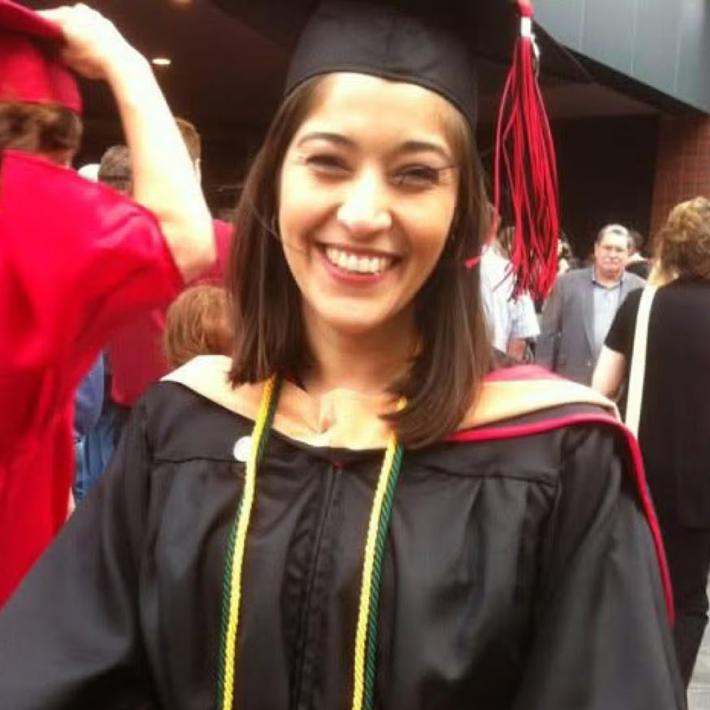
My success isn't based solely on the fact that I've set goals and reached them for myself, but more importantly, that I am working a meaningful job where I help others to set and reach their goals.