Applied Data Science

Ornate door
Program Snapshot
Program Type
Bachelor of Science
Department
Mathematics

Become a Data-Driven Decision Maker

The speed and volume of data creation are rapidly escalating, making research and analysis in big data a highly sought-after skill set. Our Applied Data Science program at St. Edward’s prepares you to enter this field with confidence, ready and able to tackle complex problems using data, machine learning and artificial intelligence. 

As a student in this program, you’ll build a strong foundation of analytical skills using computing, statistics, data science and mathematics, while specializing your degree with a minor in a field that suits your interests. Learn how data science can help organizations extract meaningful insights that guide smart decisions and help transform the world for the better. 

The demand for data science is projected to grow by 21% between 2021 and 2031.
U.S. Bureau of Labor Statistics (BLS)

Why earn your Applied Data Science degree at St. Edward’s?

Whether you plan to enter the workforce as a data scientist or analyst in the corporate, nonprofit or government sectors, or pursue a graduate degree, one thing is certain: Your St. Edward’s education will prepare you to succeed. You’ll find opportunities inside and outside of the classroom to learn, give back and achieve your goals. Moreover, your mentors will support you every step of the way.

Build relationships with your professors

You’ll learn in small classes taught by award-winning professors with years of academic and industry experience. They’ll make a point of getting to know you, help you identify and focus on your goals, and provide guidance and insight during and after your college years.

Pair your Applied Data Science major with a minor of your choosing

All Applied Data Science students will choose a minor to pair with their major. This will allow you to build expertise in an additional area to which you can apply your newly acquired skills in data science.

Complete a real-world project related to your minor

Engage in independent and faculty-mentored research in the university’s state-of-the-art Advance Computing Lab. You’ll build a comprehensive Capstone project that you can share with potential employers and graduate schools to showcase your expertise and skills. 

Join a like-minded community of problem-solvers

The St. Edward’s Computer Science and Math clubs bring together students who share a passion for computer science, math and data science. Through meetups, workshops and events, students have fun learning from one another while collaborating on exciting projects that help build their résumés. 

Cultivate professional skills through internships

As an Applied Data Science major, you’ll have access to the funding programs, including paid internships, offered exclusively to STEM students at St. Edward’s by the Institute for Interdisciplinary Science (i4). Leverage the university’s partnerships in the Austin area to network and secure internships.
test

Reap the Rewards of Austin

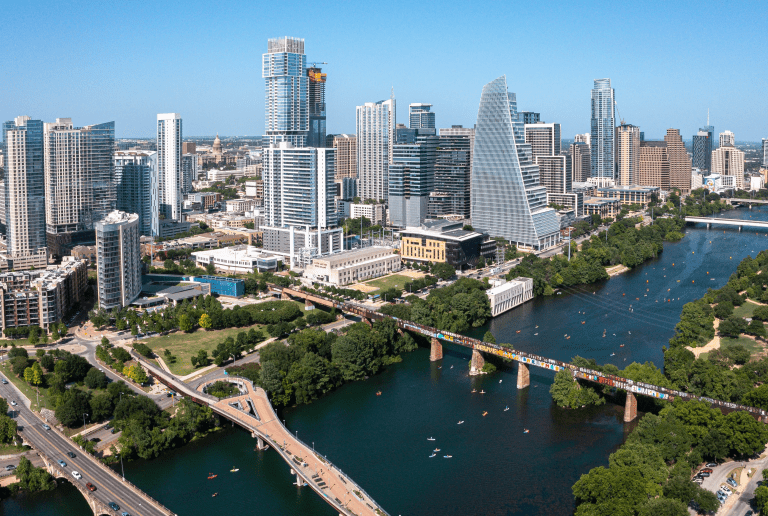
Austin is a hotspot for technology startups, mid-size companies, government agencies, nonprofits and industry giants such as AMD, Google, IBM, Apple, Amazon, Dell, Tesla and Samsung. As an Applied Data Science major, you can explore career paths and practical application of your studies through internships and interactions within the greater Austin community. 

Explore Details About the BS in Applied Data Science

Degree Plan

Major Requirements:
The Bachelor of Science in Applied Data Science requires 54 hours of Applied Data Science major courses, including courses in mathematics, computer science, natural sciences and philosophy. Additionally, students will select any minor (or second major) at St. Edward’s to pair with their Applied Data Science coursework.

General Education Requirements: 
In addition to the major program requirements, all students must satisfy the general education requirements. Talk with your success coach or academic advisor about which courses are right for you.

View and download the full degree plan for the BS in Applied Data Science major (PDF).

Curriculum

  • The BS in Applied Data Science will consist of 15 core courses plus one elective and a minor of the student’s choosing, for a total of 72 to 81 credit hours.
  • Core courses are drawn from the departments of Mathematics, Computer Science, Natural Sciences and Philosophy.
  • Elective courses are drawn from the same departments, and the minor can be any minor that allows at least 9 unique credit hours. Currently this only excludes the Statistics minor.

Innovations in Teaching

  • In Introduction to Data Analysis (MATH 2327), Introduction to Data Science (MATH 3339) and Data Science at Scale (MATH 4340), you’ll apply your skills to team projects with real data and important questions. Build a portfolio of impressive work to show to potential employers.
  • Utilize both R and Python for data analysis, machine learning and statistical modeling across a variety of courses.
  • Complete a Capstone project related to your chosen minor in Data Science at Scale (MATH 4340). Build an end-to-end project that you can share with the world to demonstrate your expertise and skills.

Our Applied Data Science degree ensures you’ll graduate with a strong résumé that showcases your knowledge and skills. 

What You Will Learn

  • Apply appropriate techniques (such as sourcing, cleaning, preparing, analyzing and visualizing) to make decisions using large datasets.
  • Recommend and defend business and scientific decisions based on analysis and modeling of data, and present these decisions to technical and non-technical audiences.
  • Explain the mathematical underpinnings of machine and deep learning models (derivatives, integrals, matrices, probability distributions), as well as their practical usage.
  • Implement computer science techniques such as control structures, object-oriented programming, data structures and algorithms.
  • Demonstrate creating, reading, updating and deleting records in databases, as well as using databases for machine learning models.
  • Students in Data Science at Scale (MATH 4340) will learn how to:
    • Utilize cloud computing to fit and evaluate machine learning models
    • Develop an API to interact with cloud-based models
    • Develop a graphical front-end to interact with cloud-based models

Skills You Will Gain

  • Explore, analyze and visualize data using industry-standard tools and techniques.
  • Create data-driven presentations and convey complex data-driven conclusions to a broad audience.
  • Build and evaluate statistical and machine learning models using both R and Python.
  • Learn core computing concepts, including object-oriented programming, interacting with databases, and programming for the web.
  • Scale models to handle hundreds of millions of rows of data, build pipelines to interact with outside data sources, interact with large language models, and build graphical front-ends for sharing your work.


As an Applied Data Science graduate, you'll be prepared to take on the role of a data analyst, data scientist or analyst in fields related to your chosen minor. Past data science students have been employed as financial analysts, AI/ML data scientists, data analysts and data scientists. Interested in expanding your expertise by earning a master’s or PhD in data science? This degree puts you on a solid path to pursuing an advanced degree.

Faculty at St. Edward’s bring a wealth of expertise and industry experience to the classroom. They are passionate about connecting and cultivating lifelong learners, and many are involved with professional organizations and business communities that students can leverage as they pursue internships or full-time employment.

View a list of our faculty members on the Department of Mathematics webpage. Learn about their credentials, and feel free to contact them for more details about the Applied Data Science program.

Undergraduate

Medical Laboratory Science

Ornate door
Program Snapshot
Program Type
Bachelor of Science

Become a Healthcare Detective with a Medical Laboratory Science Degree

As a Medical Laboratory Science major, you’ll learn to analyze bodily fluids, tissues and cells to diagnose disease. Your work as a laboratory professional will contribute to vital research and help people take control of their health. Don’t be surprised if you’re hired before graduation — this is a career field in high demand.

Why earn your Medical Laboratory Science degree at St. Edward’s?

Whether you’re interested in working in a hospital or clinical research laboratory, or at a biotechnology firm, government agency or forensic laboratory, one thing is certain: your St. Edward’s education will prepare you to succeed. You’ll find opportunities both in and outside the classroom to learn, give back and achieve your goals. And your mentors will support you every step of the way.

Build relationships with your professors

You’ll learn in small classes taught by award-winning professors who make a point of getting to know you and becoming your trusted advisors. They’ll help you identify and focus on your goals, and provide guidance and insight during your college years and after you graduate. 

Conduct graduate-level research

You’ll have the opportunity to engage in independent and faculty-mentored research in the university’s state-of-the-art labs — or apply for a National Science Foundation-funded summer research experience at other universities — and present your work at academic conferences and for publication. 

Gain knowledge as a teaching assistant

Enjoy teaching and mentoring? You can serve as a teaching assistant for a laboratory course, helping fellow students develop lab skills and techniques. Expand your communication skills and improve your own lab skills by helping other people learn the material.

Get involved in the professional science community

The St. Edward’s chapters of the Texas Academy of Science, TriBeta National Biological Honor Society and other academic organizations open doors to research funding, presentations and awards. You’ll connect with students and professionals who are passionate about science.

test

Reap the Rewards of Austin

Austin is a fast-growing biotechnology hub and emerging center of life-sciences research and innovation. Medical laboratory scientists are in demand. Explore career paths and practical application of your studies through internships and interactions within the greater Austin community. 

What do our graduates do?

Medical Laboratory Science graduates use their scientific knowledge to help advance human health — at the individual and societal level. They can go on to a variety of careers and graduate schools. Here’s a sample of career options.

  • Medical technologist
  • Research coordinator
  • Pathology specialist
  • Laboratory manager
  • Consumer-product tester
  • Research developer
  • Crime lab specialist
  • Pharmaceutical technician

Explore Details About a Degree in Medical Laboratory Science

The Medical Laboratory Science program prepares you to spend your last year of college immersed in a hands-on, hospital-based clinical training program. Your other three years at St. Edward’s will be full of science courses with labs, research opportunities and time to build relationships with fellow Hilltoppers through clubs focused on science, service and health.

Coursework establishes fundamental knowledge in such disciplines as microbiology, hematology, immunology, clinical chemistry and molecular biology. Research and clinical training at Partner Institutions of St. Edward’s allows students to pursue personal interests and develop skill sets that align with professional objectives.

Major Requirements: The BS in Medical Laboratory Science requires 53–54 hours of major courses. Requirements include a combination of Biology, Chemistry and Math. In addition, 30 hours of coursework is taken at a Partner Institution, including Microbiology, Hematology, Clinical Chemistry, Coagulation, Phlebotomy, Blood Bank/Immunology/Serology and Urinalysis.

General Education Requirements: In addition to the major program requirements, all students must satisfy the general education requirements. Talk with your success coach and faculty advisor about which courses are right for you.

View and download the full degree plan for the Medical Laboratory Science major (PDF).

A few examples of courses students in this major take:

  • Microbiology - Microbiology is the study of microorganisms with an emphasis on their structure, function and role in sickness, health and research.
  • Immunology - Immunology is the scientific discipline that seeks to understand the nature of the human immune system. The immune system is of paramount importance to the success of humans, as the human body is inundated daily by a multitude of potentially pathogenic microorganisms that left unchallenged would quickly destroy all human bodies. Throughout this course, students will discover the molecular nature of the human immune system, including the cellular and noncellular components involved and how these factors interact to combat disease. 
     

Interested in earning a Master of Science in Clinical Laboratory ScienceLearn about our dual degree program in partnership with The University of Texas Medical Branch in Galveston.

What You Will Learn

The Medical Laboratory Science program provides in-depth training that prepares you to test and analyze a variety of biological specimens for the diagnosis and treatment of disease. 

  • Study the theoretical and practical aspects of the major laboratory disciplines: clinical chemistry, hematology/coagulation, microbiology, transfusion medicine, urinalysis and clinical research.
  • Learn to use sophisticated equipment like microscopes, hematology analyzers, cell counters and incubators to gather and analyze data that will help identify and treat diseases like cancer, diabetes and other medical conditions. 
  • Pair courses like Microbiology, Clinical Chemistry and Molecular Biology with clinical training at one of our Partner Institutions (Austin State Hospital and Baylor Scott and White in Temple, Texas). There, you’ll learn medical testing procedures like phlebotomy, immunology and urinalysis.

Skills You Will Gain

Your classroom studies and experiential learning activities equip you with transferable skills that are valuable across many workplaces and employment scenarios.

  • Critical thinking and problem-solving
  • Data collection and analysis
  • Research
  • Developing, testing and iterating on a hypothesis
  • Time management
  • Ability to multitask
  • Teamwork
  • Laboratory research and safety techniques
  • Understanding and communicating — verbally and in writing — scientific and medical topics

Learn by Doing

You’ll learn the fundamentals of laboratory research and the scientific method in your science courses at St. Edward’s. For example …

In your freshman Biology lab, you’ll start to develop your laboratory skills and learn how to construct and answer a scientific question. Previous classes have collected and analyzed water samples from locations near campus and used their data to answer distinct research questions. At the conclusion of your work, you’ll learn how to present your findings to your peers.

In Microbiology, you’ll continue to build your lab skills through projects like determining whether a particular plant extract inhibits bacterial growth or characterizing antimicrobial-resistant bacteria in soil samples. Although St. Edward’s students have been testing plant extracts for antimicrobial properties for many semesters, you’ll be testing one that has not been analyzed before. This project gives you a chance to experience real-life research, where no one knows the outcome.

Research

All Medical Laboratory Science students have the opportunity to conduct research and present their work at symposia on campus or at conferences like the Texas Academy of Science. Undergraduate research teaches you to work independently and analyze scientific literature. 

Outstanding students complete Research Experiences for Undergraduates, in which they join the lab of a professor at a major research university over a summer. These competitive 10-week experiences, funded by the National Science Foundation, introduce you to research with different mentors and help you evaluate whether a research career is right for you.

Internships 

You’ll finish your degree by completing classes and rotations at one of two clinical sites, to which you apply your junior year. Here, you’ll do exactly the same kind of work you’ll do as a professional, making you a strong candidate for jobs in the field.

  • Austin State Hospital is a public psychiatric facility a few miles north of St. Edward’s. If you enter this clinical program, you’ll study in classes with fewer than 10 other students. At ASH, you’ll learn how to analyze samples used to monitor patients’ medication levels, check for markers that indicate negative side effects, and assess patients’ overall health. 
  • You’ll also complete rotations at other sites, such as the local blood bank, where you’ll learn how to do blood typing and analyze blood chemistry, and Dell Seton Medical Center, Austin’s safety-net and teaching hospital. There, you’ll work in divisions including blood chemistry, microbiology, parasitology, and blood and tissue typing.
  • St. Edward’s also has a partnership with Baylor Scott and White Medical Center in Temple, where you can spend your last year of college learning how to conduct clinical tests. Your rotations will include the labs at BS&W Medical Center as well as the healthcare system’s hospitals in Round Rock and Waco, and the Veterans Affairs hospitals in Temple and Waco. For this program, you would probably move to Temple — an hour’s drive from Austin in light traffic — to reduce commuting time, participate fully in the life of the community and build your network in the field.

Teaching Assistantships

Students with an affinity for teaching and mentorship can assist younger students by serving as teaching assistants. At St. Edward’s, all classes are taught by professors, but student teaching assistants help their fellow students develop lab skills and techniques. You’ll expand your communication skills and improve your own lab skills by helping other people learn the material.

The St. Edward’s chapter of the Texas Academy of Science supports student research, including presentation and publication opportunities. Members also tutor in the sciences and complete other service projects.

Students with strong academic achievement in the sciences are eligible to join the St. Edward’s chapter of Beta Beta Beta, the National Biological Honor Society.

The student chapter of the American Society for Microbiology attends regional ASM meetings together and takes a field trip to UTMB to learn about the master’s program and life in Galveston. The group invites guest speakers, watches documentaries (such as about antibiotic resistance) and plans special events like a reception with fermented foods.

At St. Edward’s, our faculty are outstanding scholars, thought leaders, teachers and mentors who bring energy and enthusiasm to our vibrant learning community. They take pride in getting to know you, helping you achieve your goals and celebrating your successes.

View a list of our faculty members and their contact information on the Department of Biological Sciences webpage.

The University of Texas Medical Branch in Galveston has an agreement with St. Edward’s through which students can earn two degrees in five years. Students complete three years at St. Edward’s and two years of clinical training at UTMB. Through this program, you can earn a bachelor’s degree in Biology from St. Edward’s and a master’s degree in Clinical Laboratory Science from UTMB. If you complete all your prerequisites at St. Edward’s, you will be accepted automatically to UTMB. If you pursue this path, you will move to Galveston after your third year of college to experience life in a beach city and build a new network of colleagues and friends in the medical community.

Learn more about our dual degree program in partnership with UTMB.

At St. Edward’s University, all curricula in the Biological Sciences are founded upon evolutionary theory. As a subject of scientific inquiry, the theory of evolution provides opportunities for testing hypotheses that strengthen our understanding of the processes that account for the diversity of life on earth, and existing data overwhelmingly support the theory as scientifically sound. We regard any non-scientific or teleological attempts that distract from the scientific processes that underlie science as, at best, a diversion to our mission to provide exceptional education to our students in the Biological Sciences. We stand with the numerous scientific societies that have issued statements on the subject of evolution and intelligent design, confirming the demonstrated success of the former and rejecting the scientific viability of the latter. 

Undergraduate

Mathematics

Ornate door
Program Snapshot
Program Type
Bachelor of Arts
Bachelor of Science
Department
Mathematics

Pursue Your Passion for Problem-Solving

As a Mathematics major, you’ll be part of a community of students and professors who value creativity and the courage to tackle difficult, unsolved problems. 

Deepen your understanding of calculus, modern algebra, physics and statistics, and build your programming and computational skills in applied computer science courses. You’ll leave St. Edward’s ready to continue your education in graduate school or immediately begin your career in engineering, statistics, finance, cryptography, aeronautics, scientific research or business.

Why earn your Mathematics degree at St. Edward’s?

Whatever field you choose to enter as a math major — from urban development to market research to computer technology to accounting to teaching — one thing is certain: The advantages of your St. Edward’s education will prepare you to succeed. You’ll find opportunities in and outside the classroom to learn, give back and achieve your goals. And your mentors will support you every step of the way.

Build relationships with your professors

You’ll learn in small classes taught by award-winning professors who make a point of getting to know you and becoming your trusted advisors. They’ll help you identify and focus on your goals, and provide guidance and insight during your college years and after you graduate.

Conduct innovative research

You’ll engage in faculty-mentored research using the university’s state-of-the-art computer infrastructure, software and data storage, or in full-time, fully funded summer research programs at St. Edward’s or other major universities. And you’ll be encouraged to present your work at conferences and for publication.

Gain knowledge as a teaching assistant

You’ll have the chance to serve as a teaching assistant for introductory classes and lead study sessions, or be a tutor in the Math Club. You’ll enhance your leadership, communication and people skills — all while helping fellow students learn the material.

Get involved in the professional math community

The Mathematics Association of America student chapter on campus opens doors to internships, research opportunities, social events, math conferences and career paths in mathematics. You’ll connect with people who love math as much as you do.

test

Reap the Rewards of Austin

Austin is a fast-growing technology hub and vibrant center of research and innovation. As a Mathematics major, you can network at international math conferences held in the city each semester, and explore career options and internships within the greater Austin community.

What do our graduates do?

Mathematics majors go on to a variety of careers and graduate schools from St. Edward’s. Here's a sample of career options:

  • Data analyst for Apple
  • Procurement analyst for SpaceX
  • Data analyst for the National Security Agency
  • Mechanical designer at Fugro Oil & Energy Company
  • Full stack developer at T3
  • Graduate research fellow at the Harvard-Smithsonian Center for Astrophysics
  • PhD candidates in Mathematics at The University of Texas at Austin, Human & Statistical Genetics at Washington University, and Physics at Vanderbilt University and Case Western Reserve University
  • Master’s students in mathematics at Emory University, the ESTEEM Graduate Program for entrepreneurship at the University of Notre Dame, mechanical engineering at Purdue University and University of Texas, statistics and data science at the University of Houston, and education and school leadership at Harvard University.

Explore Details About a Degree in Mathematics

Students pursuing a degree in Mathematics have two options to choose from. This helpful course map shows the sequence of prerequisites in the department.

1. Bachelor of Arts in Mathematics

This program provides a comprehensive exploration of mathematics that prepares students for advanced programs or professional careers. This option offers more latitude in the choice of general electives and is appropriate for students seeking a double major or minor.

Major Requirements: The BA in Mathematics requires 56–59 hours of Mathematics major courses, including supporting courses in subjects such as Computer Science or Physics.

General Education Requirements: In addition to the major program requirements, all students must satisfy the general education requirements. Talk with your success coach and faculty advisor about which courses are right for you.

View and download the full degree plan for the BA in Mathematics major (PDF).

2. Bachelor of Science in Mathematics

This program includes the same coursework as the Bachelor of Arts in Mathematics but with two additional semesters of laboratory science. This option explores calculus, modern algebra and other advanced topics in their purest form. Additionally, students learn to design and interpret prediction models for diverse industries, such as aeronautics, urban development and green energy.

Major Requirements: The BS in Mathematics requires 67–70 hours of Mathematics major courses, including supporting courses in subjects such as Computer Science, Physics and Biology.

General Education Requirements: In addition to the major program requirements, all students must satisfy the general education requirements. Talk with your success coach and faculty advisor about which courses are right for you.

View and download the full degree plan for the BS in Mathematics major (PDF).

Questions about placement into Mathematics courses? Refer to our placement guide for more information.

The Department of Mathematics also offers a dual degree option in Mathematics and Engineering.

What You Will Learn and Skills You Will Gain

Our Mathematics degree ensures that you’ll graduate with a strong résumé that showcases your knowledge and skills. Here’s a sample what you’ll learn:

  • Refine your critical thinking and problem-solving abilities.
  • Deepen your understanding of calculus, modern algebra, physics and statistics.
  • Build your programming and computational skills in applied computer science courses.
  • Sharpen your skills in oral and written communication. 
  • Conduct rigorous research independently and in teams.
  • Present your research findings in a manner appropriate to the audience, including oral presentations and the writing of experiments, research manuscripts, poster presentations and research proposals.
  • Collaborate effectively with peers and professionals.

Experiential Learning

A core component of the St. Edward’s Mathematics program is a four-semester sequence of research courses. In these classes, you’ll conduct open-ended research on unsolved problems individually with faculty members. You’ll present your findings at regional and national professional conferences, where you’ll meet other mathematicians and learn about graduate-school options and careers in your field.

Mathematics majors participate in the William Lowell Putnam Mathematics Competition, the preeminent math competition for undergraduates worldwide. A typical competition involves two 3-hour sessions in which students solve 12 problems. Thousands of math majors nationwide score 0 points every year due to the hyper-strict grading scale, so any positive score is a noteworthy accomplishment. In the past decade, four students from St. Edward’s have earned a positive score on the exam.

Teaching Assistantships

Strong students with an interest in teaching and mentoring can serve as teaching assistants for introductory classes. At St. Edward’s, all classes are taught by professors, but student teaching assistants help tutor and lead study sessions. You’ll expand your communication and people skills by helping other students learn the material. If you’re interested in teaching, you could also become a tutor in the Math Lab.

Research

As part of your coursework at St. Edward’s, you’ll complete four semesters of research. You’ll have the option to further develop this research and present your findings at conferences and for publication. Recently, Mathematics majors have studied the following:

  • Mathematical analysis of lottery voting
  • Dark energy, the force that causes the universe to expand
  • Detecting whether congressional districts are racially gerrymandered
  • The effects of storm-related electrical changes on tropospheric ozone levels

Most math majors travel to at least one conference during their time at St. Edward’s. These include:

  • Texas Undergraduate Mathematics Conference
  • Joint Mathematics Meetings of the American Mathematical Society and the Mathematical Association of America
  • MAA Texas Section Meeting
  • Mathfest
  • National Conference for McNair Scholars and Undergraduate Research

Outstanding students have been selected for Research Experiences for Undergraduates (REU), in which they join the lab of a professor at a major research university over a summer. These experiences help you decide if a research career is right for you. In recent years, Mathematics majors have completed these REUs:

  • Deep learning – specifically, teaching computers to identify the content of an image — at the Center for Imaging Science at the Rochester Institute of Technology
  • Research in the Mathematical Biosciences Institute Program at Indiana University-Purdue University Indianapolis

You’ll also have the opportunity to contribute to other research projects led by your professors. During Hurricane Harvey, which battered southern Texas in August 2017, several Mathematics majors, along with Natural Sciences professors and staff, collected meteorological data with weather balloons. They released 13 weather balloons that collected data used by the National Weather Services to create forecasts during the hurricane. Some of the students who participated also wrote code to automate the computation of data collected from the balloons and to visually display the data in graphs.

Internships 

You’ll also be encouraged to complete an internship to apply your mathematical skills in a professional context. Mathematics majors have recently interned at the following organizations:

  • Exxon
  • Molecular Rebar Design
  • The Nature Conservancy
  • National Ecological Observatory Network
  • Department of Homeland Security STEM Summer Internship Program
  • Society for Industrial and Applied Mathematics
  • SpaceX

As a student in the Mathematics program, you are afforded access to the funding programs, including paid internships, offered exclusively to STEM students at St. Edward’s University by the Institute for Interdisciplinary Science (i4). For more information on these programs please visit the Institute for Interdisciplinary Science (i4) on the web.

Student Organizations

The St. Edward’s Math Club is a student chapter of the Mathematics Association of America. Members have traveled together to regional mathematics conferences, presented math concepts and helped with science fairs at local schools, and participated in the global MegaMenger collaborative fractal build. The club also hosts student and alumni research talks and serves as a forum for social events like Halloween pumpkin carving, bowling, laser tag and pizza parties.

The St. Edward’s Maker Club attracts tinkerers and programmers who have worked on projects involving 3-D printing, soldering, programming LED strips, and creating art through programming.

Students minoring in Mathematics must satisfactorily complete the following courses in addition to 6 hours of electives:

Required Courses:

  • Calculus I, Lab
  • Calculus II
  • Calculus III
  • Linear Algebra
  • Differential Equations

Elective Courses:

  • Discrete Mathematics or Inquiry and Proof
  • MATH 3000+ upper-division courses (excluding 4150 and 4157)

Are you a current student? Contact your advisor for the next steps in declaring your major or minor.

At St. Edward’s, our faculty are outstanding scholars, thought leaders, teachers and mentors who bring energy and enthusiasm to our vibrant learning community. They take pride in getting to know you, helping you achieve your goals and celebrating your successes.

View a list of our faculty members and their contact information on the Department of Mathematics webpage.

Undergraduate

Forensic Chemistry

Ornate door
Program Snapshot
Program Type
Bachelor of Science
Department
Chemistry

Help Solve Crimes by Using Chemistry to Analyze Evidence

Majoring in Forensic Chemistry will give you a solid background in chemistry, forensics and criminal justice that you can apply to fields in law enforcement, public safety or private enterprise. You’ll learn the fundamentals of crime scene investigation and how to collect, analyze and present evidence. You’ll graduate ready to use chemistry to uncover the truth and keep communities safe.

Why earn your Forensic Chemistry degree at St. Edward’s?

Whether you want to pursue a career with police or fire departments, the coroner’s office, the military, the FBI or CIA, bomb squads or private labs — or pursue a graduate degree in forensic chemistry — one thing is certain: The advantages of your St. Edward’s education will prepare you to succeed. You’ll find opportunities in and outside the classroom to learn, give back and achieve your goals. And your mentors will support you every step of the way. 

Students and professor collaborate on a biochemistry experiment in the School of Natural Sciences lab.

Build relationships with your professors

You’ll learn in small classes taught by dedicated professors who make a point of getting to know you and becoming your trusted advisors. They’ll help you identify and focus on your goals, and provide guidance and insight during your college years and after you graduate.

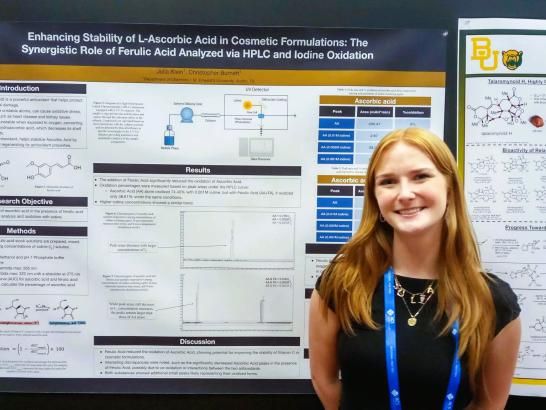
St. Edward's student presents his Forensic Chemistry research poster

Conduct research

You’ll have the opportunity to engage in faculty-mentored research, present your work at professional conferences, and submit your findings for publication.  

Teaching Assistants work with students on a biochemistry experiment in the School of Natural Sciences lab

Develop your career path as a chemist

Love chemistry but unsure what you would like to do with your degree? The Chemistry department’s annual guest speaker series connects you with professionals in the field. Learn firsthand from chemists in academia, industry and government agencies about their professional journey as a chemist. It’s an excellent opportunity to network and gain firsthand knowledge about the field. In addition, gain  valuable experience as a teaching assistant for a laboratory course where you’ll enhance your benchwork, leadership and teamwork skills — all while helping fellow students

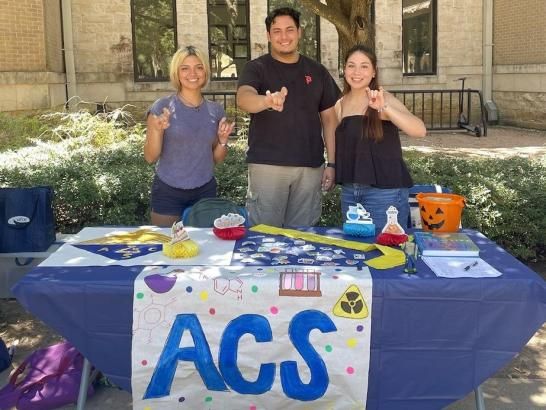
ACS students pose for photo at their display table during campus student organization event

Get involved in the American Chemical Society student chapter

The American Chemical Society (ACS) student chapter is a professional organization focused on enhancing student networking with professionals in the field, exploring careers in chemistry, and building a sense of community with people who love forensic chemistry as much as you do. The ACS student group works closely with the Department of Chemistry in coordinating its annual guest speaker series and volunteering for chemistry-focused community events.

test

Reap the Rewards of Austin

Austin is a fast-growing technology hub and emerging center of science research and innovation. As a Forensic Chemistry major, you can explore career paths and practical application of your studies through internships and interactions within the greater Austin community.

What do our graduates do?

Forensic Chemistry majors advance to a variety of careers and graduate schools from St. Edward’s. Here’s a sample:

  • Forensic scientist at the Texas Department of Public Safety
  • Gas and chemical project manager at Freescale Semiconductors
  • Project manager at NXP Semiconductors
  • Master’s student at the University of Albany

Explore Details About a Degree in Forensic Chemistry

Major Requirements: The Bachelor of Science in Forensic Chemistry requires 69 hours of major courses, which include a combination of introductory coursework, developmental chemistry, labs and research methods.

General Education Requirements: In addition to the major program requirements, all students must satisfy the general education requirements. Talk with your success coach and faculty advisor about which courses are right for you.

View and download the full degree plan for our Forensic Chemistry major (PDF).

A few examples of courses students in this major take:

  • Crime Scene Investigation – Examine, learn, understand and employ the techniques of crime scene investigation. The objective is to teach the fundamentals of crime scene investigation.
    Students should be able to assess any crime scene and determine proper procedures
  • Instrumental Analysis – A study of some of the modern instrumental methods including
    atomic and molecular spectroscopy, analytical separations, mass spectrometry, magnetic resonance spectrometry and other salient techniques.
  • Forensic Chemistry – Major facets of forensic analytical chemistry will be covered, including drug analysis, forensic toxicology, trace analysis, and arson and DNA typing. The use of Bayesian probability in the evaluation of guilt and innocence will also be covered. Real-world case studies will be used to illustrate the application of these principles.

The Department of Chemistry also offers BS degrees in ChemistryBiochemistry and Environmental Chemistry.

What You Will Learn

Forensic Chemistry courses include a combination of introductory coursework, developmental chemistry, labs and research methods, and support courses in criminal justice. 

  • Through classroom studies, lab work, field experiences and research, you’ll develop an understanding of how to collect, organize and interpret chemical data.
  • Learn the fundamentals of crime scene investigation, and analyze blood and tissue samples to identify DNA or run toxicology screens.
  • Understand how to verify the chemical composition of drugs taken as evidence and how to detect chemicals associated with explosives, firearms or toxic substances. 

Skills You Will Gain

As a Forensic Chemistry major, you’ll cultivate a range of skills that prepare you to excel in the workplace. You’ll be able to:

  • Search, access, contextualize and effectively summarize readings of discipline-specific literature.
  • Apply appropriate experimental techniques and instruments in the context of designing and executing an experiment.
  • Use quantitative tools for data collection and analysis.
  • Explain the purpose of general laboratory safety guidelines and their implementation in various lab settings.
  • Communicate the findings of independent research in a manner appropriate to the audience, including oral presentations and the writing of experiments, research manuscripts, poster presentations and research proposals.
  • Demonstrate an ability to collaboratively arrive at a common goal within a team. 

Research

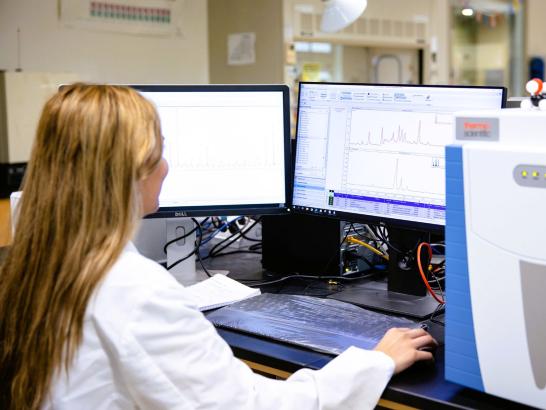
You’ll perform research with cutting-edge instrumentation — St. Edward’s is proud to be considered one of the best-equipped and best-funded small college chemistry departments in the country. We’ve been highly successful in securing external funding in support of an advanced curriculum, modern laboratory instrumentation and undergraduate research. 

Departmental and Research Funding
In addition to an ongoing research grant from the Robert A. Welch Foundation, the Department of Chemistry has secured curricular and equipment grants from the National Science Foundation, the Keck Foundation and the Educational Advancement Foundation. 

The Chemistry department is grateful for the ongoing gift of the Lewis fund, which supports student research. Given in memory of Dr. JD Lewis, longtime faculty member in the Chemistry department, this fund provides support for summer six-week and eight-week student research experiences

Scholarships

  • In addition to performing research over the academic year in one of the faculty-led research groups, students may apply for participation in the Chemistry Department’s full-time summer research program. The summer program is fully funded and successful applicants receive competitive student stipends.
  • Students in chemistry-related majors at St. Edward’s may apply for Welch Foundation undergraduate research scholarships or Lewis scholarships — including a summer scholarship that provides a six-week or eight-week stipend to conduct research.
  • Apply for a summer research experience for undergraduates [REU] at local and national universities where you can gain experience studying different subfields of chemistry and focus on your career direction. 

Summer Research Experiences for Undergraduates (REU) include:

  • The University of Texas at Austin
  • Texas State University
  • Baylor University
  • University of Texas at San Antonio
  • University of North Carolina
  • Michigan State University
  • University of Nebraska
  • University of Michigan
  • University of Mississippi
  • North Carolina State University
  • Boston University

Conferences and Presentations

  • Students are encouraged to present their results at professional meetings, such as regional and national meetings of the American Chemical Society and the Texas Academy of Science.
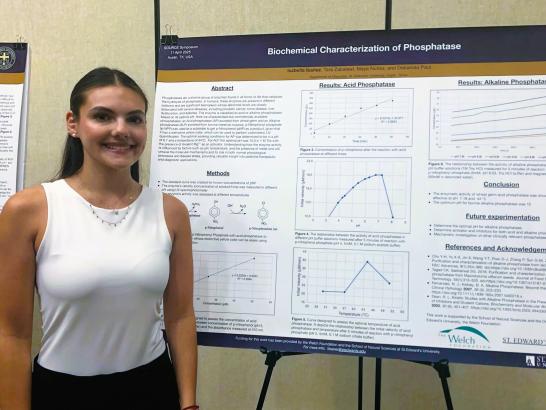
  • Students also have the opportunity to present their research at the annual Lucian Symposium [fall semester] and SOURCE Symposium [spring semester] on the St. Edward's campus.

At St. Edward’s, our faculty are outstanding scholars, thought leaders, teachers and mentors who bring energy and enthusiasm to our vibrant learning community. They take pride in getting to know you, helping you achieve your goals and celebrating your successes.

View a list of our faculty members and their contact information on the Department of Chemistry webpage.

Undergraduate

Environmental Chemistry

Ornate door
Program Snapshot
Program Type
Bachelor of Science
Department
Chemistry

Examine the Impact Chemical Substances Have On the Earth’s Ecosystems

Get ready to confront climate change, find ways to clean up air and water pollution, and respond to environmental disasters. Or figure out solutions to problems related to energy, waste and recycling. You’ll build your knowledge of both chemistry and environmental science — and a solid understanding of the connections between the environment, economics and policy.

Why earn your Environmental Chemistry degree at St. Edward’s?

If you want to use chemistry to safeguard the environment through public policy, natural resource management, corporate sustainability practices, teaching or other fields, one thing is certain: The advantages of your St. Edward’s education will prepare you to succeed. You’ll find opportunities in and outside the classroom to learn, give back and achieve your goals. And your mentors will support you every step of the way. 

Students and professor collaborate on a biochemistry experiment in the School of Natural Sciences lab.

Build relationships with your professors

You’ll learn in small classes taught by dedicated professors who make a point of getting to know you and becoming your trusted advisors. They’ll help you identify and focus on your goals, and provide guidance and insight during and after your college years. 

St. Edward's student presents her chemistry poster at ACS meeting

Conduct research

You’ll have the opportunity to engage in faculty-mentored research , present your work at professional conferences, and submit your findings for publication.  

Teaching Assistants work with students on a biochemistry experiment in the School of Natural Sciences lab

Develop your career path as a chemist

Love chemistry but unsure what you would like to do with your degree? The Chemistry department’s annual guest speaker series connects you with professionals in the field. Learn firsthand from chemists in academia, industry and government agencies about their professional journey as a chemist. It’s an excellent opportunity to network and gain firsthand knowledge about the field. In addition, gain valuable experience as a teaching assistant for a laboratory course where you’ll enhance your benchwork, leadership and teamwork skills — all while helping fellow students. 

ACS students pose for photo at their display table during campus student organization event

Get involved in the American Chemical Society student chapter

The American Chemical Society (ACS) student chapter on campus is a professional organization focused on enhancing student networking with professionals in the field, exploring careers in chemistry, and building a sense of community with people who love chemistry as much as you do. The ACS student group works closely with the Department of Chemistry in coordinating its annual guest speaker series and volunteering for chemistry-focused community events.


test

Reap the Rewards of Austin

Austin is a fast-growing technology hub and emerging center of science research and innovation. As an Environmental Chemistry major, you can explore career paths and practical application of your studies through internships and interactions within the greater Austin community.

What do our graduates do?

Environmental Chemistry majors go on to a variety of careers and graduate schools from St. Edward’s. Here’s a sample:

  • Geochemist and risk assessment officer at Tetra Tech, a consulting and engineering company
  • Master’s student at Texas A&M University
  • PhD candidate at DePaul University
  • PhD candidate at the University of North Texas

Explore Details About a Degree in Environmental Chemistry

Major Requirements: The Bachelor of Science in Environmental Chemistry requires 78 to 79 hours of major courses, which include a combination of environmental science, chemistry, philosophy, biology, math, and physics. 

General Education Requirements: In addition to the major program requirements, all students must satisfy the general education requirements. Talk with your success coach and faculty advisor about which courses are right for you.

View and download the full degree plan for our Environmental Chemistry major (PDF).

A few examples of courses students in this major take:             

  • Environmental Politics and Policy – Explore new demands worldwide for dealing with the risks of climate change, population growth, loss of biological diversity and terrorism, which will force governments everywhere to rethink policy strategies and find new ways to reconcile environmental and economic goals.
  • Environmental Chemistry – Examine the behavior and interactions of chemicals in natural and anthropogenic systems; their distribution, transport and fate.  
  • Environmental Ethics – Delve into moral concerns and ethical decision-making concerning the environment. Topics include individual, corporate, and state freedoms and responsibilities, permissible uses of animals, and comparison of strategies for protecting natural resources, as well as case studies regarding equity, justice, and individual and community rights to environmental resources.
  • Biochemistry – Survey of the fundamentals of biochemistry. Topics include the structure of proteins, lipids and carbohydrates, catalysis, kinetics, bioenergetics and metabolism, and information pathways.

The Department of Chemistry also offers degrees in ChemistryBiochemistry and Forensic Chemistry.

What You Will Learn

Some of the most critical and challenging issues that must be addressed in this century are environmental in nature. Finding good policy solutions to address these issues will require an understanding of the underlying processes that drive environmental changes. Many of these processes are chemical in nature and must be studied using the techniques of chemistry. 

The professional tools needed to address these problems are extensive expertise in the field of chemistry and a general knowledge of the field of environmental science. The BS degree program in Environmental Chemistry is designed to prepare college graduates with this type of expertise. A degree in Environmental Chemistry provides professional preparation for students interested in applying a rigorous scientific degree to careers in the environmental field. 

Graduates with this degree have a background appropriate for attending graduate school in chemistry or environmental science, or for professional employment in environmental analysis and environmental remediation positions with corporations, research labs and governmental agencies. Graduates of this program would also be well qualified to pursue a professional career in other areas of chemistry.

Skills You Will Gain

As an Environmental Chemistry major, you’ll cultivate a range of skills that prepare you to excel in the workplace. You’ll be able to:

  • Search, access, contextualize and effectively summarize readings of discipline-specific literature.
  • Apply appropriate experimental techniques and instruments in the context of designing and executing an experiment.
  • Use quantitative tools for data collection and analysis.
  • Explain the purpose of general laboratory safety guidelines and their implementation in various lab settings.
  • Communicate about the findings of independent research in a manner appropriate to the audience, including oral presentations and the writing of experiments, research manuscripts, poster presentations and research proposals.
  • Demonstrate an ability to collaborate and arrive at a common goal within a team. 

Experiential Learning and Research

We emphasize experiential learning, so students majoring in Environmental Chemistry enroll in at least two semesters of research courses and join a student-faculty research group with the goal of producing and presenting professional-level work.

You’ll perform research with cutting-edge instrumentation — St. Edward’s is proud to be considered one of the best-equipped and best-funded small college chemistry departments in the country. We’ve been highly successful in securing external funding in support of an advanced curriculum, modern laboratory instrumentation and undergraduate research. 

Departmental and Research Funding
In addition to an ongoing research grant from the Robert A. Welch Foundation, the Chemistry Department has secured curricular and equipment grants from the National Science Foundation, the Keck Foundation and the Educational Advancement Foundation. 

The Chemistry department is grateful for the ongoing gift of the Lewis fund, which supports student research. Given in memory of Dr. JD Lewis, longtime faculty member in the Chemistry department, this fund provides support for summer six-week and eight-week student research experiences

Scholarships

  • In addition to performing research over the academic year in one of the faculty-led research groups, students may apply for participation in the Chemistry Department’s full-time summer research program. The summer program is fully funded, and successful applicants receive competitive student stipends.
  • Students in chemistry-related majors at St. Edward’s may apply for Welch Foundation undergraduate research scholarships or Lewis scholarships — including a summer scholarship that provides a six-week or eight-week stipend to conduct research.
  • Apply for a summer research experience for undergraduates [REU] at local and national universities, where you can gain experience studying different subfields of chemistry and focus on your career direction.  

NSF summer Research Experiences for Undergraduates (REU) include:

  • The University of Texas at Austin
  • Texas State University
  • Baylor University
  • University of Texas at San Antonio
  • University of North Carolina
  • Michigan State University
  • University of Nebraska
  • University of Michigan
  • University of Mississippi
  • North Carolina State University
  • Boston University

Conferences and Presentations

  • Students are encouraged to present their results at professional meetings, such as regional and national meetings of the American Chemical Society and the Texas Academy of Science.
  • Students also have the opportunity to present their research at the annual Lucian Symposium [fall semester] and the SOURCE Symposium [spring semester] on the St. Edward's campus.

Our internship program acquaints students with practical experience. Our students have recently interned with:

  • Tetra Tech
  • Texas Commission on Environmental Quality

STEM students at St. Edward’s can access paid internships offered by our Institute for Interdisciplinary Science (i4). For more information on these internship programs, please visit the Institute for Interdisciplinary Science (i4).

At St. Edward’s, our faculty are outstanding scholars, thought leaders, teachers and mentors who bring energy and enthusiasm to our vibrant learning community. They take pride in getting to know you, helping you achieve your goals and celebrating your successes.

View a list of our faculty members and their contact information on the Department of Chemistry webpage.

Undergraduate

Environmental Biology and Climate Change

Ornate door
Program Snapshot
Program Type
Bachelor of Science

Use Science to Tackle the World’s Most Pressing Environmental Problems

Draw on your foundational studies in biology, chemistry, mathematics and analysis to inform and solve critical environmental issues related to climate change. Conduct one-on-one research and apply geographic information systems as you develop solutions to this existential threat.

Why earn your Environmental Biology and Climate Change degree at St. Edward’s?

Whether you want to help minimize the impact of climate change through public policy, natural resource management, corporate sustainability practices, teaching or other fields, one thing is certain: The advantages of your St. Edward’s education will prepare you to succeed. You’ll find opportunities in and outside the classroom to learn, give back and achieve your goals. And your mentors will support you every step of the way. 

Build relationships with your professors

You’ll learn in small classes taught by award-winning professors who make a point of getting to know you and becoming your trusted advisors. They’ll help you identify and focus on your goals, and provide guidance and insight during and after your college years. 

Conduct graduate-level research

You’ll have the opportunity to engage in faculty-mentored research in the university’s state-of-the-art labs — or Wild Basin Creative Research Center in Austin, a nature preserve managed by St. Edward’s — and present your work at academic conferences and for publication. 

Tap into special funding for STEM students

As a student in the biological sciences, you’ll gain access to funding programs, including paid internships and tuition awards, and other benefits offered exclusively to STEM students at St. Edward’s through our NSF-funded Institute for Interdisciplinary Science (i4)

Get involved in the professional science community

The St. Edward’s chapters of the Texas Academy of Science, TriBeta National Biological Honor Society and other academic organizations open doors to research funding; presentations and awards; and connecting with students and professionals who are passionate about science.

test

Reap the Rewards of Austin

Austin is a leading eco-friendly city in the U.S., with close access to major ecosystems in Texas that you can study on day trips to field sites and reserves. Explore career paths and practical application of your studies through internships and interactions within the greater Austin community.

What do our graduates do?

Students who earn this degree will be prepared for a variety of careers, as well as graduate school. Potential careers include:

  • Natural resource management with federal, state and public agencies
  • Sustainability specialists with private corporations
  • Public policy advisory positions
  • Excellent preparation for a variety of graduate programs

Explore Details About a Degree in Environmental Biology and Climate Change

Major Requirements: The BS in Environmental Biology and Climate Change requires 71 hours of major courses, including courses in subjects such as Bioinformatics, Chemistry, Environmental Science, Mathematics and Philosophy.

General Education Requirements: In addition to the major program requirements, all students must satisfy the general education requirements. Talk with your success coach and faculty advisor about which courses are right for you.

Examples of major courses:

  • General Biology I and II
  • Ecology and Global Change
  • Terrestrial and Plant Ecology
  • Expeditionary Ecosystem Studies
  • General Chemistry I and II
  • Climate Change Science, Impacts & Responses
  • Chemistry in the Environment

Examples of electives:

  • Ecophysiology
  • Vertebrate Biology
  • Environmental Controversies in Austin
  • Environmental Politics and Policy

View and download the full degree plan for the BS in Environmental Biology and Climate Change degree plan (PDF)

What You Will Learn

Majoring in Environmental Biology and Climate Change provides a broad understanding of the world around you. You’ll study the fundamental principles of biology at work in ecosystems and their role in climate change. Here’s a sample of what you’ll learn and experience:

  • Use foundational studies in biology, chemistry, mathematics and analysis to inform and solve critical environmental issues related to climate change. 
  • Conduct one-on-one research and apply geographic information systems as you develop solutions to this existential threat.
  • Study the effect of climate change on ecosystems in Texas and around the world, with extensive field experience locally and beyond. 
  • Identify critical components of climate change issues, analyze them and offer sustainable solutions.

Skills You Will Gain

Your classroom studies and experiential learning activities prepare you with skills that are valuable across many workplaces and employment scenarios. You’ll learn to …

  • Collect data in the field
  • Use cutting-edge technology to study climate change
  • Write scientific grant proposals
  • Read scientific literature critically
  • Solve problems in teams
  • Practice communicating science to a broad audience

Experiential Learning 

Hands-on learning is a strong component of the Environmental Biology and Climate Change major, which is seen in courses like these:

  • In Ecology and Global Change, you’ll take two or more field trips to different ecosystems such as the Wichita Mountains of southwestern Oklahoma, the Four Corners of the U.S. Southwest or the Texas coast.
  • Entomology, which focuses on the evolutionary adaptations and biodiversity found among insect groups, includes a field-based collection component. You’ll travel to different sites and learn how to collect, preserve and identify insects. 
  • A hallmark of the Environmental Biology and Climate Change major is the course in Expeditionary Ecosystem Studies, in which you’ll visit local examples of the course’s focal ecosystem.

Research

All Environmental Biology and Climate Change students will complete at least a year of research individually mentored by a professor. You’ll have the opportunity to complete fieldwork at Blunn Creek, right next to campus; at Wild Basin, an urban preserve in West Austin; or at the St. Edward’s ecolab in Spicewood, in the Hill Country. Along with fellow students, you’ll attend professional conferences to network with professionals in the field, learn about others’ research and present your own work.

Outstanding students complete Research Experiences for Undergraduates, in which they join the lab of a professor at a major research university over a summer. These competitive experiences, funded by the National Science Foundation, introduce you to research with different mentors and help you evaluate whether a research career is right for you.

Internships

As a student in the Environmental Biology and Climate Change program, you have access to the funding programs, including paid internships, offered exclusively to STEM students at St. Edward’s University by the Institute for Interdisciplinary Science (i4). For more information on these programs please visit the Institute for Interdisciplinary Science (i4).

Student Organizations

Students for Sustainability educates the St. Edward’s community about eco-friendly practices and works with the St. Edward’s administration to implement environmental initiatives. Members help maintain the campus garden, learn about biking and public transportation, encourage fellow students to reduce their use of plastic water bottles, and have clothing swaps and upcycled craft nights.

The St. Edward’s chapter of the Texas Academy of Science supports student research, including presentation and publication opportunities. Members also tutor in the sciences and complete other service projects.

Students with strong academic achievement in the sciences are eligible to join the St. Edward’s chapter of Beta Beta Beta, the National Biological Honor Society.

You can contribute to the launch of new organizations like the St. Edward’s student chapters of the Ecological Society of America and The Wildlife Society.

Through the Environmental Biology and Climate Change minor, you’ll learn about the impacts of global change on ecosystems in Texas and around the world. You’ll gain the tools needed to identify, understand and analyze climate change issues with the goal of developing solutions to the most pressing environmental challenges of our time.

In addition to fundamental topics in environmental biology and climate change, this program combines courses that will broaden your knowledge and participation in the sub-disciplines of ecology, conservation and evolution.

This minor is designed to dramatically enhance your connection to the Austin community through an experiential learning-based curriculum in which you will help implement meaningful environmental projects at the local, regional and global scales. For example, students in Environmental Conservation and Climate Change are helping local researchers understand the impacts of urbanization on vegetation at different locations within Austin and the nearby Texas Hill Country. Our faculty also support student opportunities to investigate environmental problems internationally — e.g., to investigate the impacts of climate change on South African savannas.

Based in the Department of Biological Sciences, the minor in Environmental Biology and Climate Change is available to all St. Edward’s undergraduates. 

Outcomes

This type of training supports professionals in field research, GIS (geographic information system) analysis and biostatistics. However, the experience and skills you gain can be leveraged in any major, whether it’s business, communication or political science. 

Climate change is a pervasive problem that has dramatic impacts on many aspects of human life — e.g., infectious diseases, social justice, food security and the global economy. Furthermore, fields such as technology, public policy and business enterprises will be central to helping mitigate these impacts. This minor is relevant to those who are interested in a wide range of fields such as medicine, public health, biotechnology, environmental law, sustainable agriculture, sustainable business practices and more.

Minor Requirements

Minor Core Courses (16 credit hours)

  • General Biology II, Lab (4 credit hours)
  • Ecology and Global Change / Environmental Conservation / Climate Change: (4 credit hours) 
  • Terrestrial and Plant Ecology (4 credit hours)
  • Population Biology and Ecology, Lab (4 credit hours) 


Minor Electives

Choose a minimum of 5 credit hours from the following courses:

  • Biostatistics (3 credit hours)  
  • Biological Programming (3 credit hours)
  • Geographic Information Systems (3 credit hours)
  • Ecophysiology (3 credit hours)
  • Expeditionary Ecosystem Studies (4 credit hours) 
  • Research in Biology (1–3 credit hours)
  • Evolution (3 credit hours)
  • Natural Resources Conservation & Management (3 credit hours)
  • Environmental and Ecological Field Methods (3 credit hours)
  • Environmental Controversies in Austin (3 credit hours)

At St. Edward’s University, all curricula in the Biological Sciences are founded upon evolutionary theory. As a subject of scientific inquiry, the theory of evolution provides opportunities for testing hypotheses that strengthen our understanding of the processes that account for the diversity of life on earth, and existing data overwhelmingly support the theory as scientifically sound. We regard any non-scientific or teleological attempts that distract from the scientific processes that underlie science as, at best, a diversion to our mission to provide exceptional education to our students in the Biological Sciences. We stand with the numerous scientific societies that have issued statements on the subject of evolution and intelligent design, confirming the demonstrated success of the former and rejecting the scientific viability of the latter. 

At St. Edward’s, our faculty are outstanding scholars, thought leaders, teachers and mentors who bring energy and enthusiasm to our vibrant learning community. They take pride in getting to know you, helping you achieve your goals and celebrating your successes.

View a list of our faculty members and their contact information on the Department of Biological Sciences webpage.

Undergraduate

Computer Science

Ornate door
Program Snapshot
Program Type
Bachelor of Arts
Bachelor of Science

Enter a Dynamic Field Rooted in Technology, Creativity and Problem-Solving

The Computer Science major at St. Edward’s provides a strong foundation in computing principles and hands-on technical experience that prepares you to thrive across diverse industries. You’ll apply classroom learning to real-world projects and internships, developing both your analytical and creative problem-solving skills. Through coursework, collaboration and innovation, you’ll learn to design and implement solutions to complex challenges using modern technologies and forward-thinking approaches.

Why earn your Computer Science degree at St. Edward’s?

Get ready to succeed in a rapidly evolving, technology-driven world. Whether your passion lies in designing innovative software, securing digital systems, managing complex data, or exploring the possibilities of artificial intelligence, you’ll gain the skills and knowledge to turn ideas into impact. Our program blends technical expertise with a strong liberal arts foundation, encouraging you to think critically, solve problems creatively and communicate with purpose. You’ll grow academically and professionally, discover your strengths, contribute meaningfully to your community, and pursue your aspirations with confidence.

Build relationships with your professors

You’ll learn in small classes taught by award-winning, dedicated faculty-mentors with years of academic and industry experience. They’ll make a point of getting to know you, help you identify and focus on your goals, and provide guidance and insight during and after your college years. 

Apply knowledge to real-world challenge

You’ll work closely with peers and faculty mentors on your Culminating Experience Project, a capstone that brings together everything you’ve learned in the program. Design, build and present a software solution addressing a real-world challenge, such as AI-powered accessibility tools, secure mobile health apps and data dashboards for nonprofits. This hands-on experience enhances your technical and teamwork skills, resulting in a portfolio-ready project for professional success or graduate study.

Join a vibrant community of coders

The St. Edward’s Computer Science Club brings together students with a shared passion for computer science. Through meetups, workshops and events, students have fun learning from one another while collaborating on exciting projects that help build their résumés. 

Get an edge in the job market

Launch your career in the heart of Austin’s thriving tech community. Graduates of St. Edward’s gain the skills, experience and professional network to step confidently into roles in technology and business, or to continue their education at top graduate programs. With hands-on experience, faculty support and real-world connections, you’ll graduate ready to make an immediate impact.

test

Reap the Rewards of Austin

Austin is a hotspot for technology startups, mid-size companies and industry giants such as AMD, Google, IBM, Apple, Amazon, Dell, Tesla and Samsung. As a Computer Science major, you can explore career paths and practical application of your studies through internships and interactions within the greater Austin community. 

What do our graduates do?

Computer Science majors go on to a variety of careers and graduate schools from St. Edward’s. Here’s a sample.

  • Software engineers for companies like CDK Global, Khoros, Dun & Bradstreet and Duo Security
  • Product development specialist at Facebook
  • Site reliability engineers for JPMorgan Chase & Co.
  • Software developers for companies like IBM and Dell
  • Entered graduate school at top-ranked programs, such as The University of Texas at Austin, Baylor University, Rice University, Purdue University, Vanderbilt University, Georgia Tech University and Manchester University

Explore Details About a Degree in Computer Science

St. Edward’s offers both BS and BA degrees in Computer Science, with multiple areas of focus depending on a student’s desired outcome. This helpful Computer Science course map  shows the sequence of prerequisites in the department.

1.  Bachelor of Science in Computer Science – This degree track provides rigorous preparation for many possible careers, with a course of study based on computer science theory and its application in various aspects of business and industry. It includes support courses to prepare students for graduate study in computer science.

  • In addition to the core courses, students will complete a concentration in either  Artificial Intelligence and Machine Learning, Cybersecurity, or Software Development. View more details about our BS degree concentrations on our Department of Computer Science webpage.

Major Requirements: The BS in Computer Science requires 72 hours of Computer Science major courses, including supporting courses in Mathematics.

General Education Requirements: In addition to the major program requirements, all students must satisfy the general education requirements. Talk with your success coach and faculty advisor about which courses are right for you.

View and download the full degree plan for our BS in Computer Science major (PDF).


2.  The Bachelor of Arts in Computer Science – This degree track offers more options to take non-computer-science-related courses than the BS track, which is especially helpful for students who seek a double major or a broader technical degree before advanced study in graduate school. A strong background in mathematics and computer science is recommended.

In this major, you will … 

  • Study the algorithmic processes that create, describe and transform information.
  • Learn to develop software designed to solve problems in a variety of fields.

Major Requirements: The BA in Computer Science requires 58 hours of Computer Science major courses, including supporting courses in Mathematics.

General Education Requirements: In addition to the major program requirements, all students must satisfy the general education requirements. Talk with your success coach and faculty advisor about which courses are right for you.

View and download the full degree plan for our BA in Computer Science major (PDF).

What You Will Learn and Skills You Will Gain

Our Computer Science degree ensures that you’ll graduate with a strong résumé that showcases your knowledge and skills. Here’s a sample of what you’ll learn:

  • Computer programming, software development and engineering
  • Algorithmic processes that create, describe and transform information
  • Software development designed to solve problems in a variety of fields
  • Solid understanding of mathematics and formulas
  • Critical and creative thinking, problem-solving, and communication skills
  • Technical writing, and creating and presenting professional-level work
  • Teamwork, time management and attention to details

Experiential Learning

Enhance your learning by participating in hands-on projects and student organizations that build your skills. For example …

  • In Software Engineering, you’ll work on a large-scale team project — from specification and design, to implementation, to testing, evolution, maintenance and management. You’ll learn how to use industry-standard tools and communicate effectively with clients.
  • In Undergraduate Research and Development, you’ll research a computing problem; investigate a possible solution to the problem; and design, evolve and articulate a solution.
  • The Computer Science Club on campus helps students build their skills through events like Capture the Flag, a cybersecurity-focused programming competition. Students are also encouraged to participate in national and global computing societies such as the Association for Computing Machinery and the Consortium for Computing Sciences in Colleges.
  • The St. Edward’s Maker Club attracts tinkerers and programmers who have worked on projects involving 3-D printing, soldering, programming LED strips and creating art through programming.

Computer Science students have built their professional skills in the following internships. Several were extended full-time job offers afterward.

  • Sphere integrated containers internship at VMware
  • Technology internship at AIG Insurance
  • Digital technology leadership internship at GE
  • System validation engineer internship at NXP Semiconductors
  • Software engineer internship at Corva
  • Software engineering internship at dealership management software company CDK Global
  • Software development internship at Emerson Automation Solutions, which builds software for manufacturing and industrial plants

Learn on the job at St. Edward’s.

The St. Edward’s Office of Information Technology hires students to work as support technicians. Help students, faculty and staff with computer troubleshooting; maintain the computer labs; and set up software on new computers for employees. In addition to covering “Help desk” issues, you can specialize in networking or enterprise software and earn credentials like Google Cloud certification.

Land a paid internship through the St. Edward’s i4 Institute.

As a student in the Computer Science program, you are afforded access to the funding programs, including paid internships, offered exclusively to STEM students at St. Edward’s University by the Institute for Interdisciplinary Science (i4). For more information on these programs please visit the Institute for Interdisciplinary Science (i4).

At St. Edward’s, our faculty are outstanding scholars, thought leaders, teachers and mentors who bring energy and enthusiasm to our vibrant learning community. They take pride in getting to know you, helping you achieve your goals and celebrating your successes.

View a list of our faculty members and their contact information on the Department of Computer Science webpage.

St. Edward's graduates in cap and gown show off their diplomas

Earn Two Degrees in Five Years

With our Accelerated Graduate Pathways, you can complete your BA in Computer Science and one of three master’s degrees in as little as five years, saving time and money. See details and requirements.

Success coaches and academic advisors guide you through undergraduate and graduate courses to maximize benefits.

Undergraduate

Chemistry

Ornate door
Program Snapshot
Program Type
Bachelor of Arts
Bachelor of Science
Department
Chemistry

Develop Innovative Solutions to Problems in Health and Energy Usage

Study how material substances interact, combine and change. Use that knowledge to find cures for diseases, create new products, develop nutritious food for the world’s growing population, monitor sources of pollution to protect the environment, or analyze evidence to solve crimes.

Why earn your Chemistry degree at St. Edward’s?

Whatever field you choose to pursue as a chemist — from pharmacology to toxicology to forensics to teaching — one thing is certain: The advantages of your St. Edward’s education will prepare you to succeed. You’ll find opportunities in and outside the classroom to learn, give back and achieve your goals. And your mentors will support you every step of the way.

Students and professor collaborate on a biochemistry experiment in the School of Natural Sciences lab.

Build relationships with your professors

You’ll learn in small classes taught by dedicated professors who make a point of getting to know you and becoming your trusted advisors. They’ll help you identify and focus on your goals, and provide guidance and insight during your and after college years.

St. Edward's student presents her chemistry poster at ACS meeting

Conduct research

You’ll have the opportunity to engage in faculty-mentored research, present your work at professional conferences, and submit your findings for publication. 

GCMS research student works on computers in lab

Develop your career path as a chemist

Love chemistry but unsure what you would like to do with your degree?  The Chemistry department’s annual guest speaker series connects you with professionals in the field.  Learn firsthand from chemists in academia, industry and government agencies about their professional journey as a chemist.  It’s an excellent opportunity to network and gain firsthand knowledge about the field.  In addition, gain valuable experience as a teaching assistant for a laboratory course where you’ll enhance your benchwork, leadership and teamwork skills — all while helping fellow students

ACS students pose for photo at their display table during campus student organization event

Get involved in the American Chemical Society student chapter

The American Chemical Society (ACS) student chapter is a professional organization focused on enhancing student networking with professionals in the field, exploring careers in chemistry, and building a sense of community with people who love chemistry as much as you do.  The ACS student group works closely with the Department of Chemistry in coordinating its annual guest speaker series and volunteering for chemistry-focused community events

test

Reap the Rewards of Austin

Austin is a fast-growing technology hub and emerging center of science research and innovation. As a Chemistry major, you can explore career paths and practical application of your studies through internships and interactions within the greater Austin community.

What do our graduates do?

Chemistry majors advance to a variety of careers and graduate schools from St. Edward’s. Here’s a sample:

  • Associate Professor of Pathology, Duke University
  • Scientific researcher at Braskem
  • Chemist at Quality Chemical Laboratories
  • R&D researcher at Procter & Gamble
  • Postdoctoral associate at the Air Force Research Lab
  • Chemical Biology PhD candidate at the University of Michigan
  • Inorganic Chemistry PhD candidate at the University of California Irvine
  • Graduate students at The University of Texas at Austin, the South Dakota School of Mines and Technology and the University of California Santa Cruz

Explore Details About a Degree in Chemistry

Students pursuing a degree in Chemistry have two degree plans to choose from. This helpful course map (PDF) shows the sequence of prerequisites in the department. 

1. Bachelor of Science in Chemistry

The BS in Chemistry is a rigorous course of study that incorporates more math and laboratory experience. This degree track is intended primarily to meet the needs of a student who wishes to seek employment in the chemical industry or to prepare for graduate study in chemistry.

Major Requirements: 69 hours of major courses, of which 23 hours are supporting courses from math, physics and biology.

General Education Requirements: In addition to the major program requirements, all students must satisfy the general education requirements. Talk with your success coach and faculty advisor about which courses are right for you. 

View and download the full degree plan for the BS in Chemistry major (PDF). 

2. Bachelor of Arts in Chemistry

This BA in Chemistry provides more opportunities to take non-science-related courses for a broader-based education and is intended primarily for students who wish to teach at the secondary school level or would like to use chemistry as a supporting discipline.

Major Requirements: 52 hours of major courses, of which 20 hours are supporting courses from math, physics and biology.

General Education Requirements: In addition to the major program requirements, all students must satisfy the general education requirements. Talk with your success coach and faculty advisor about which courses are right for you.

View and download the full degree plan for the BA in Chemistry major (PDF).

The Department of Chemistry also offers degrees in Biochemistry, Environmental Chemistry and Forensic Chemistry.

What You Will Learn

As a Chemistry major at St. Edward’s, you’ll learn to think both scientifically and creatively. You’ll delve into the study of matter — its characteristics, behavior and structure. You’ll examine the way materials act and react in certain situations, and you’ll produce and observe these reactions, both in nature and artificially in a lab setting. 

Through classroom studies, lab work and research, you’ll develop an understanding of how to collect, organize and interpret chemical data. In the process, you’ll learn to appreciate the world on the macro-scale while learning the underlying principles occurring on the molecular level.

Skills You Will Gain

As a Chemistry major, you’ll cultivate a range of skills that prepare you to excel in the workplace. You’ll be able to …

  • Search, access, contextualize and effectively summarize readings of discipline-specific literature.
  • Apply appropriate experimental techniques and instruments in the context of designing and executing an experiment.
  • Use quantitative tools for data collection and analysis.
  • Explain the purpose of general laboratory safety guidelines and their implementation in various lab settings.
  • Communicate the findings of independent research in a manner appropriate to the audience, including oral presentations and the writing of experiments, research manuscripts, poster presentations, and research proposals.
  • Demonstrate an ability to collaborate and arrive at a common goal within a team.

Research

You’ll perform research with cutting-edge instrumentation — St. Edward’s is proud to be considered one of the best-equipped and best-funded small college chemistry departments in the country. We’ve been highly successful in securing external funding in support of an advanced curriculum, modern laboratory instrumentation and undergraduate research. 

Departmental and Research Funding
Along with an ongoing research grant from the Robert A. Welch Foundation, the Chemistry Department has secured curricular and equipment grants from the National Science Foundation, the Keck Foundation and the Educational Advancement Foundation. 

The Chemistry department is grateful for the ongoing gift of the Lewis fund, which supports student research. Given in memory of Dr. JD Lewis, longtime faculty member in the Chemistry department, this fund provides support for summer six-week and eight-week student research experiences. 

Scholarships

  • In addition to performing research over the academic year in one of the faculty-led research groups, students may apply for participation in the Chemistry Department’s full-time summer research program. The summer program is fully funded and successful applicants receive competitive student stipends.
  • Students in chemistry-related majors at St. Edward’s may apply for Welch Foundation undergraduate research scholarships or Lewis scholarships — including a summer scholarship that provides a six-week or eight-week stipend to conduct research.
  • Apply for a summer research experience for undergraduates [REU] at local and national universities, where you can gain experience studying different subfields of chemistry and focus on your career direction. 

Research Experiences for Undergraduates (REU) include:

  • University of Texas at Austin
  • Texas State University
  • Baylor University
  • University of Texas at San Antonio
  • University of North Carolina
  • Michigan State University
  • University of Nebraska
  • University of Michigan
  • University of Mississippi
  • North Carolina State University
  • Boston University

Conferences and Presentations

  • Students are encouraged to present their results at professional meetings, such as regional and national meetings of the American Chemical Society and the Texas Academy of Science, where they’ll rub shoulders with professional chemists.
  • Students also have the opportunity to present their undergraduate research at the annual Lucian Symposium [fall semester] and SOURCE Symposium [spring semester] on the St. Edward’s campus.

Our internship program acquaints students with practical experience. Our students have recently interned with …

  • MilliporeSigma 
  • Electroninks

STEM students at St. Edward’s can access paid internships offered by our Institute for Interdisciplinary Science (i4). For more information on these internship programs, please visit the Institute for Interdisciplinary Science (i4).

A Chemistry minor is available for students interested in the field of chemistry, or for students who would benefit from adding courses in chemistry to their education for their future endeavors. 

Required courses:

  • General Chemistry
  • General Chemistry Lab
    General Chemistry II
  • General Chemistry II Lab

      Or

  • Inorganic Chemistry I
  • Inorganic Chemistry I Lab
  • Organic Chemistry 
  • Organic Chemistry I Lab
  • Chemistry Electives

At St. Edward’s, our faculty are outstanding scholars, thought leaders, teachers and mentors who bring energy and enthusiasm to our vibrant learning community. They take pride in getting to know you, helping you achieve your goals and celebrating your successes.

View a list of our faculty members and their contact information on the Department of Chemistry webpage.

Undergraduate

Biology

Ornate door
Program Snapshot
Program Type
Bachelor of Arts
Bachelor of Science

Pursue Exciting Career Choices That Change Peoples Lives and the Planet

A degree in Biology paves the way to meaningful work. Help people take control of their health and wellness as a doctor, physician assistant or dentist. Provide compassionate care to animals as a veterinarian. Conduct valuable research that advances our understanding of the natural environment and the development of life-saving drugs. 

Why earn your Biology degree at St. Edward’s?

Whether you’re interested in the health professions, genetics, ecology or other science-focused fields, one thing is certain: The advantages of your St. Edward’s education will prepare you to succeed. You’ll find opportunities in and outside the classroom to learn, give back and achieve your goals. And your mentors will support you every step of the way. 

Build relationships with your professors

You’ll learn in small classes taught by award-winning professors who make a point of getting to know you and becoming your trusted advisors. They’ll help you identify and focus on your goals, and provide guidance and insight during and after your college years. 

Conduct graduate-level research

You’ll have the opportunity to engage in faculty-mentored research in the university’s state-of-the-art labs — or Wild Basin Creative Research Center in Austin, a nature preserve managed by St. Edward’s — and present your work at academic conferences and for publication.

Tap into special funding for STEM students

As a student in the Biology program, you’ll gain access to funding programs, including paid internships and tuition awards, and other benefits offered exclusively to STEM students at St. Edward’s through our NSF-funded Institute for Interdisciplinary Science (i4). For those interested in pursuing careers related to ecology and natural resources, additional funding is available through our USDA-funded NextGen E3 Program.

Get involved in the professional science community

The St. Edward’s chapters of the Texas Academy of Science, TriBeta National Biological Honor Society and other academic organizations open doors to research funding; presentations and awards; and connecting with students and professionals who are passionate about science.

test

Reap the Rewards of Austin

Austin is a fast-growing biotechnology hub and emerging center of life-sciences research and innovation. As a Biology major, you can explore career paths and practical application of your studies through internships and interactions within the greater Austin community.

What do our graduates do?

Biology majors go on to a variety of careers and graduate schools from St. Edward’s. Here’s a sample.

  • Antibody Discovery Scientist at MacroGenics, after earning a PhD from the University of Illinois at Chicago
  • Data scientist at St. David’s HealthCare, after earning a Master of Public Health from Yale University
  • Senior digital strategy consultant for Health, Life Science and Fitness at Ernst & Young
  • Director of the Americas at the U.S. Department of Health and Human Services’ Office of Global Affairs
  • Consulting analyst at the global consulting firm Accenture
  • Regulatory affairs specialist at TMRW Life Sciences.
  • Graduate students at the University of Notre Dame, The University of Texas at Austin, Texas A&M University, Saint Louis University, DePaul University, Wake Forest University and the University of California Davis

Explore Details About a Degree in Biology

St. Edward’s offers both BS and BA degrees in Biology, with multiple areas of focus depending on a student’s desired outcome. In addition to the major program requirements, all students must satisfy the general education requirements. Talk with your success coach and faculty advisor about which courses are right for you.

1. Bachelor of Arts in Biology

  • Primarily designed for students pursuing a double major or admission to some professional schools.
  • Provides a solid foundation in biology with more latitude in the choice of general electives.
  • An example of a course you will take is Molecular Genetics, which offers a study of the structure and function of DNA as the genetic material and focuses on details surrounding the “central dogma of molecular biology,” including DNA replication, transcription, RNA processing and translation, as well as mechanisms of control and regulation of expression of genetic information.

General Biology Concentration

View and download the full BA in Biology - General Biology degree plan (PDF)

Allied Health Concentration

View and download the full BA in Biology - Allied Health degree plan (PDF)

BA in Biology + MS in Clinical Laboratory Science (3+2) Program

Earn two degrees in five years: a Bachelor of Arts in Biology from St. Edward’s University, and a Master of Science in Clinical Laboratory Science from The University of Texas Medical Branch. View and download the full 3+2 Program degree plan (PDF)

2. Bachelor of Science in Biology

Health Professions Concentration

  • Designed for students who intend to pursue further education and a career in the health professions such as medicine, veterinary medicine, physician assistant or dentistry.
  • Degree requirements include the prerequisites for most professional schools.
  • An example of a course you will take is Evolution, an in-depth analysis of evolution via natural selection using examples from all major classes of organisms. Emphasis is placed on the mechanism and resulting products of evolutionary change. Evolutionary change is examined at the molecular, organismal and population levels of organization.

View and download the full BS in Biology - Health Professions degree plan (PDF)

Biology Professions Concentration

  • Designed to provide a strong background in biology and research.
  • Prepares students for education at the graduate level and preparation leading to careers outside the health professions. Students might study molecular biology, cellular biology, developmental biology, microbiology, neurobiology, zoology, botany, ecology or other fields.
  • An example of a course you will take is Research in Biology, where students work collaboratively with a faculty member to conduct a research study. Many students go on to present their work at on-campus symposia as well as local, regional and national meetings.

View and download the full BS in Biology - Biology Professions degree plan (PDF)

What You Will Learn and Skills You Will Gain

Majoring in biology provides an incredibly broad understanding of the world around you. You’ll learn the fundamental principles of biology at work in genes, cells, organ systems and even ecosystems. 

Your classroom studies and experiential learning activities prepare you with a number of transferable skills that are valuable across many workplaces and employment scenarios, including:

  • Problem-solving
  • Critical thinking
  • Adaptability
  • Research
  • Developing, testing and iterating on a hypothesis
  • Literature review
  • Data collection and analysis
  • Laboratory research and safety techniques
  • Understanding and communicating, both orally and in writing, complex scientific and medical topics

Experiential Learning 

Hands-on learning is a strong component of the Biology major, which is seen in courses like these:

Students in the Introductory Biology labs have collected samples from Bee Creek at Wild Basin Creative Research Center, to analyze chlorophyll (a measure of algal blooms), levels of nutrients like nitrates, and abundance of macroinvertebrates as a measure of water quality.

In Entomology, which focuses on studying the evolutionary adaptations and incredible biodiversity found among insect groups, you’ll learn how to collect, preserve and identify insects in the field.

In Cell Biology, you’ll work in groups on a semester-long project to collect and analyze your own data to address a complex research question. You’ll have the advantage of using the Fluoview FV3000 laser scanning confocal microscope, a state-of-the-art $200,000 piece of equipment the university purchased with a National Science Foundation Major Research Instrumentation Grant. The final project is a scientific seminar in which you’ll present the results of your work to an audience of faculty from the department.

If you’re on the health professions track, as a junior or senior you’ll choose the schools where you want to apply, put your application together and write your personal statement, and work with our Health Professions Advisory Committee to prepare for the interview process.

Research 

Biology majors at St. Edward’s have the opportunity to work on research with their professors over the summer and during the school year. By working on projects with faculty, you’ll learn about the process of research and develop your lab skills. Students often emerge from these projects with publishable research.

Students have worked with professors studying the roundworm C. elegans, which is often used as a model organism, to study the process of autophagy, an organism’s waste-removal system, and to study neurological development.

Biology majors have worked alongside their professors on a research project that examines how moving a colony affects honeybees’ stress response and ability to fight off infection. They helped maintain several colonies of bees on campus and analyzed the immune systems of bees they collected from the hives. One student also studied how exposure to commonly used pesticides affects bees’ immune systems.

Students have presented their research and won awards at conferences including

  • Society for Neuroscience
  • Texas Academy of Science
  • The Society for the Advancement of Chicanos and Native Americans in Science National Diversity in STEM Conference.
  • McNair Scholars Research Conferences
  • Annual Biomedical Research Conference for Minoritized Students
  • TriBeta Biological Society Regional Research Conference

Biology majors have also been selected for competitive Research Experiences for Undergraduates and for the LIVESTRONG Cancer Institutes’ Summer Undergraduate Research Fellowship at The University of Texas at Austin and Dell Medical School.

Wild Basin Creative Research Center is a 227-acre wilderness preserve located in West Austin and managed by St. Edward’s in coordination with local government entities. The preserve offers opportunities to study the natural world in a beautiful setting. Students have worked on environmental research projects at Wild Basin that include using motion-triggered wildlife cameras to document species diversity; measuring water quality in Bee Creek; documenting the bird species that live within the preserve and recording their songs to see how they change in the presence of human activity; and analyzing the microbial communities in soil across the preserve.

Internships 

Pre-health professions students often shadow doctors or volunteer at local hospitals. In addition, Biology majors have completed internships focused on environmental stewardship, clinical health, animal behavior, and medical and pharmaceutical research at the following organizations:

  • CD Doyle Clinic, a free clinic run by Dell Medical School students in downtown Austin
  • Regarding Cancer, which provides free support services to anyone affected by cancer
  • San Antonio Zoo
  • Asuragen, which develops diagnostic tests for people with cancer and genetic diseases
  • U.S. Department of Agriculture
  • The University of Texas MD Anderson Cancer Center in Houston
  • Macromoltek, a computational drug discovery company dedicated to the advancement of antibody drug development
  • The Nature Conservancy

STEM students at St. Edward’s can access paid internships offered by our National Science Foundation-funded Institute for Interdisciplinary Science (i4). For more information on these internship programs, please visit the Institute for Interdisciplinary Science (i4).

Student Organizations

The St. Edward’s chapter of the Texas Academy of Science supports student research, including presentation and publication opportunities. Members also tutor in the sciences and complete other service projects.

Students with strong academic achievement in the sciences are eligible to join the St. Edward’s chapter of Beta Beta Beta, the National Biological Honor Society.

Students for Sustainability educates the St. Edward’s community about eco-friendly practices and works with the St. Edward’s administration to implement environmental initiatives. Members help maintain the campus garden, learn about biking and public transportation, encourage fellow students to reduce their use of plastic water bottles, and have clothing swaps and upcycled craft nights.

The American Medical Student Association matches freshmen with upperclassman mentors in the same major. Together, members learn from guest speakers — like physicians and Peace Corps Volunteers — and complete volunteer projects.

Pre-health students have participated in the Making Equity Standard in Healthcare (MESH) mentorship day at Dell Medical School in Austin. In this program, current medical students advise undergraduates, particularly those from underrepresented backgrounds, about how to become stronger candidates for medical school. The Saturday program includes a tour of the school, information about the medical school’s distinctive curriculum and its work with the Austin community, and a Q&A with students.

Pre-health professions students can take advantage of annual events sponsored by the Career and Professional Development office. These include on-campus meetings with representatives from graduate programs as well as workshops to prepare you for specific aspects of the application process. 

Health sciences schools appreciate applicants who are curious and willing to get out of their comfort zones. St. Edward’s offers opportunities to volunteer with a broad variety of people and learn about the social forces that influence health and access to medicine. Explore our many service programs.

A minor in Biology allows students to explore an interest in biological sciences, while developing skills in scientific reasoning and literacy. A student, in consultation with a Biological Sciences faculty member, develops a customized group of elective courses to complete the minor. A minimum of nine of those elective hours must be from upper-division classes in accordance with university requirements. Total minor hours: 21

Required Courses:

  • General Biology I
  • General Biology I Lab
  • General Biology II
  • General Biology II Lab
  • Molecular Genetics
  • Biology Electives (BIOL 3000+, 10 hours)

Are you a current student? Contact your advisor for the next steps on declaring your major or minor.

At St. Edward’s University, all curricula in the Biological Sciences are founded upon evolutionary theory. As a subject of scientific inquiry, the theory of evolution provides opportunities for testing hypotheses that strengthen our understanding of the processes that account for the diversity of life on Earth, and existing data overwhelmingly support the theory as scientifically sound. We regard any non-scientific or teleological attempts that distract from the scientific processes that underlie science as, at best, a diversion to our mission to provide exceptional education to our students in the Biological Sciences. We stand with the numerous scientific societies that have issued statements on the subject of evolution and intelligent design, confirming the demonstrated success of the former and rejecting the scientific viability of the latter. 

At St. Edward’s, our faculty are outstanding scholars, thought leaders, teachers and mentors who bring energy and enthusiasm to our vibrant learning community. They take pride in getting to know you, helping you achieve your goals and celebrating your successes.

View a list of our faculty members and their contact information on the Department of Biological Sciences webpage.

St. Edward's graduates in cap and gown show off their diplomas

Earn Two Degrees in Five Years

With our Accelerated Graduate Pathways, you can complete your BA in Biology and master’s degree in Business Administration (MBA) in as little as five years, saving time and money. See details and requirements.

Success coaches and academic advisors guide you through undergraduate and graduate courses to maximize benefits.

Undergraduate

Biochemistry

Ornate door
Program Snapshot
Program Type
Bachelor of Science
Department
Chemistry

Make a Difference in Biochemical Research and Medicine

Be part of the front lines in battling illness and infection by discovering how diseases work and conducting research to find a cure — or by helping your patients understand, improve and take care of their health.

Why earn your Biochemistry degree at St. Edward’s?

Whether you’re looking to enter medical or dental school or a graduate program in chemistry, biochemistry or pharmacology, one thing is certain: The advantages of your St. Edward’s education will prepare you to succeed. You’ll find opportunities in and outside the classroom to learn, give back and achieve your goals. And your mentors will support you every step of the way.

Students and professor collaborate on a biochemistry experiment in the School of Natural Sciences lab.

Build relationships with your professors

You’ll learn in small classes taught by dedicated professors who make a point of getting to know you and becoming your trusted advisors. They’ll help you identify and focus on your goals, and provide guidance and insight during and after your college years.

Biochemistry student presents her poster at SOURCE forum on campus

Conduct research

You’ll have the opportunity to engage in faculty-mentored research, present your work at professional conferences and submit your findings for publication. 

Teaching Assistants work with students on a biochemistry experiment in the School of Natural Sciences lab

Develop your career path as a chemist

Love chemistry but unsure what you would like to do with your degree?  The Chemistry department’s annual guest speaker series connects you with professionals in the field. Learn firsthand from chemists in academia, industry and government agencies about their professional journey as a chemist. It’s an excellent opportunity to network and gain firsthand knowledge about the field. In addition, gain  valuable experience as a teaching assistant for a laboratory course where you’ll enhance your benchwork, leadership and teamwork skills.

ACS students pose for photo at their display table during campus student organization event

Get involved in The American Chemical Society student chapter

The American Chemical Society (ACS) student chapter on campus is a professional organization focused on enhancing student networking with professionals in the field, exploring careers in chemistry, and building a sense of community with people who love biochemistry as much as you do.  The ACS student group works closely with the Department of Chemistry in coordinating its annual guest speaker series and volunteering for chemistry-focused community events. 

test

Reap the Rewards of Austin

Austin is a fast-growing technology hub and emerging center of life-sciences research and innovation. As a Biochemistry major, you can explore career paths and practical application of your studies through internships and interactions within the greater Austin community.

What do our graduates do?

Biochemistry majors advance to a variety of careers and graduate and professional schools from St. Edward’s. Here’s a sample:

  • Chemistry staff scientist at Vernier Software & Technology, after earning a PhD from the University of California at Davis
  • Hospital pharmacist, after earning a PharmD from the University of Connecticut School of Pharmacy
  • Psychiatrist, after earning an MD from The University of Texas Medical Branch in Galveston
  • Postdoctoral associate at Harvard University

Explore Details About a Degree in Biochemistry

Major Requirements: The Bachelor of Science in Biochemistry requires 71 hours of major courses, which include a combination of chemistry, biology, math and physics courses. 

General Education Requirements: In addition to the major program requirements, all students must satisfy the general education requirements. Talk with your success coach and faculty advisor about which courses are right for you.

View and download the full degree plan for Biochemistry.

What You Will Learn

You’ll learn to utilize chemical knowledge to study biological processes at the molecular level — including structure, function and regulation — applicable to everything from metabolic disorders to better understanding how chemicals promote or inhibit growth.

A few examples of courses students take in this major:

  • Organic Chemistry II –  Principles of designing multi-step synthesis schemes. Chemistry of aldehydes, ketones, carboxylic acids and their derivatives, aromatic compounds, amines, amides, and proteins.
  • Biochemistry I – Survey of the fundamentals of biochemistry. Topics include the structure of proteins, nucleic acids, lipids and carbohydrates, catalysis, kinetics, bioenergetics, and information pathways. Gain an overview of the field through in-depth coverage of protein structure and enzyme catalysis.
  • Cell Biology Investigate the structure of the eukaryotic cell, the trafficking of macromolecules within cells, the mechanisms by which cell division is regulated, how cells communicate, and the biogenesis of cancer. The laboratory emphasizes current techniques utilized to study cell biology.

Skills You Will Gain

Upon completing the Biochemistry program, you’ll be ready to:

  • Search, access, contextualize and effectively summarize readings of discipline-specific literature.
  • Apply appropriate experimental techniques and instruments in the context of designing and executing an experiment.
  • Use quantitative tools for data collection and analysis.
  • Explain the purpose of general laboratory safety guidelines and their implementation in various lab settings.
  • Communicate the findings of independent research in a manner appropriate to the audience, including oral presentations and the writing of experiments, research manuscripts, poster presentations, and research proposals.
  • Demonstrate the ability to collaborate and arrive at a common goal within a team. 

At St. Edward’s, our faculty are outstanding scholars, thought leaders, teachers and mentors who bring energy and enthusiasm to our vibrant learning community. They take pride in getting to know you, helping you achieve your goals and celebrating your successes.

View a list of our faculty members and their contact information on the Department of Chemistry webpage.

Subscribe to Bachelor of Science